Blog

  • RTX 5080: Specs, Price, Performance, and Is It Worth Buying in 2026?

    What Is the NVIDIA GeForce RTX 5080?

    The NVIDIA GeForce RTX 5080 is a high performance graphics card built on NVIDIA’s Blackwell architecture. It is designed for gamers, creators, and AI enthusiasts who need exceptional performance for 4K gaming, ray tracing, video editing, and machine learning workloads.

    Compared to previous generation GPUs, the RTX 5080 introduces faster GDDR7 memory, improved ray tracing performance, and DLSS 4 with Multi Frame Generation, delivering smoother gameplay and higher frame rates in supported titles.

    If you’re looking for a GPU that balances premium performance with cutting edge AI features, the RTX 5080 is one of the strongest options available in 2026.
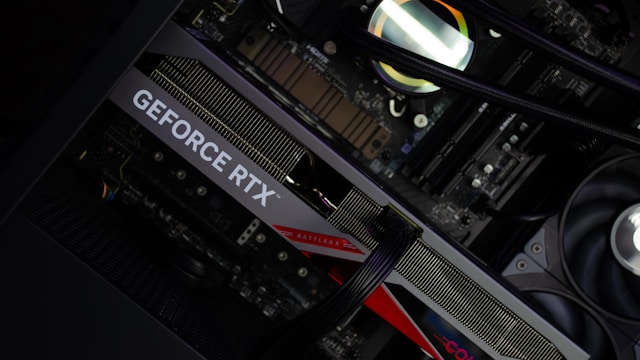

    NVIDIA GeForce RTX 5080 graphics card inside a high-performance gaming PC

    Technical Specifications and Features

    SpecificationNVIDIA GeForce RTX 5080
    ArchitectureBlackwell
    CUDA Cores10,752
    Memory16 GB GDDR7
    Memory Interface256-bit
    Memory Bandwidth960 GB/s
    Boost ClockUp to 2.62 GHz
    Ray Tracing4th Generation RT Cores
    Tensor Cores5th Generation
    DLSSDLSS 4
    PCIePCIe Gen 5
    Power Requirement360W

    These specifications makes it well suited for demanding applications such as 4K gaming, 3D rendering, AI model inference, and professional content creation.


    Whats the Price?

    The official launch price of the GPU is $999 USD.

    Retail pricing may vary depending on your region, taxes, import duties, and stock availability. In India, pricing generally starts around ₹1,19,000, though partner cards from ASUS, MSI, Gigabyte, and Zotac may cost more due to factory overclocks and premium cooling solutions.

    Before purchasing, compare prices from authorized retailers and consider warranty support.


    Gaming Performance at 1440p and 4K

    The RTX 5080 is built for high refresh rate gaming at both 1440p and 4K resolutions.

    Key performance highlights include:

    • Excellent 4K gaming performance in modern AAA titles.
    • Smooth ray traced gameplay with DLSS 4 enabled.
    • Lower latency with NVIDIA Reflex in supported games.
    • Improved efficiency compared to previous generation GPUs.

    Popular games that benefit include:

    • Cyberpunk 2077
    • Black Myth: Wukong
    • Alan Wake 2
    • Microsoft Flight Simulator
    • Call of Duty: Black Ops 6

    Performance varies depending on CPU, RAM, storage, game settings, and driver version.


    RTX 5080 vs RTX 4080

    FeatureRTX 5080RTX 4080
    ArchitectureBlackwellAda Lovelace
    Memory16 GB GDDR716 GB GDDR6X
    DLSSDLSS 4DLSS 3
    Ray TracingImprovedPrevious Generation
    AI PerformanceHigherLower
    Memory BandwidthHigherLower

    This graphics card offers architectural improvements and newer AI features that make it a compelling upgrade for users who want the latest technologies.


    RTX 5080 vs GeForce RTX 5080 Ti

    The standard RTX 5080 targets enthusiasts who want premium gaming performance, while the GeForce RTX 5080 Ti, if available in your market, is expected to provide additional CUDA cores, higher memory bandwidth, and improved performance for demanding workloads.

    If your primary focus is gaming, the RTX 5080 offers excellent value. Professionals working with complex 3D rendering or AI models may benefit from the additional performance of a Ti model.


    Who Should Buy the Blackwell-based GPU?

    Strong choice for:

    • Competitive gamers seeking high frame rates.
    • 4K gaming enthusiasts.
    • Video editors using Adobe Premiere Pro or DaVinci Resolve.
    • 3D artists working in Blender.
    • AI developers experimenting with local models.
    • Streamers who want high quality encoding and gaming performance on one system.

    Casual gamers playing esports titles at 1080p may find a more affordable GPU sufficient for their needs.


    Tips Before Buying

    Before purchasing, make sure your system meets the requirements:

    • Use a quality power supply with sufficient wattage.
    • Confirm your PC case has enough clearance for the graphics card.
    • Ensure your CPU can keep up to avoid performance bottlenecks.
    • Install the latest NVIDIA drivers for optimal stability and performance.
    • Compare cooling designs and warranty coverage across different board partners.

    Frequently Asked Questions

    What is the RTX 5080?

    It is NVIDIA’s high performance Blackwell-based graphics card designed for 4K gaming, AI workloads, and creative applications.

    How much does it cost?

    The official MSRP is $999 USD, with regional prices varying based on taxes, retailer pricing, and availability.

    Is it good for 4K gaming?

    Yes. It is designed to deliver smooth 4K gaming with ray tracing and DLSS 4 support in modern titles.

    Does the RTX 5080 support DLSS 4?

    Yes. It supports DLSS 4, including Multi Frame Generation in compatible games.

    How much VRAM does the RTX 5080 have?

    The RTX 5080 comes with 16 GB of GDDR7 memory, offering higher bandwidth than the previous GDDR6X generation.

    Is the RTX 5080 worth buying in 2026?

    This graphics card is worth buying if you want excellent 4K gaming performance, advanced ray tracing, and AI-powered features.


    Conclusion

    The NVIDIA’s flagship gaming GPU combines advanced Blackwell architecture, DLSS 4, ray tracing improvements, and high speed GDDR7 memory into a graphics card that serves gamers and creators alike. Whether you’re upgrading from an older GPU or building a new PC, it offers strong performance for modern games and demanding creative workloads. Compare prices, verify compatibility with your system, and buy from trusted retailers to get the best long-term value.

  • Cold Brew vs Iced Coffee: What’s the Difference?

    Cold Brew vs Iced Coffee: What’s the Difference?

    When the weather heats up, many coffee lovers reach for a refreshing cold drink. But should you choose cold brew or iced coffee? While they may look similar, they are made differently and offer distinct flavors.

    In this guide, we’ll compare cold brew and iced coffee, explain how each is made, and help you decide which one best suits your taste.

    Not always. The heading hierarchy should reflect the document structure, not just the visual size.

    How to Store Coffee Beans for Maximum Freshness


    How to Store Coffee Beans for Maximum Freshness

    Fresh coffee beans are the foundation of a great cup of coffee. However, even premium beans can lose their rich aroma and flavor if they are stored incorrectly. Exposure to air, light, moisture, and heat speeds up the aging process, leaving your coffee tasting dull and stale.

    In this guide, you’ll learn the best ways to store coffee beans, common mistakes to avoid, and how to keep your coffee tasting fresh for as long as possible.


    Why Proper Coffee Storage Matters

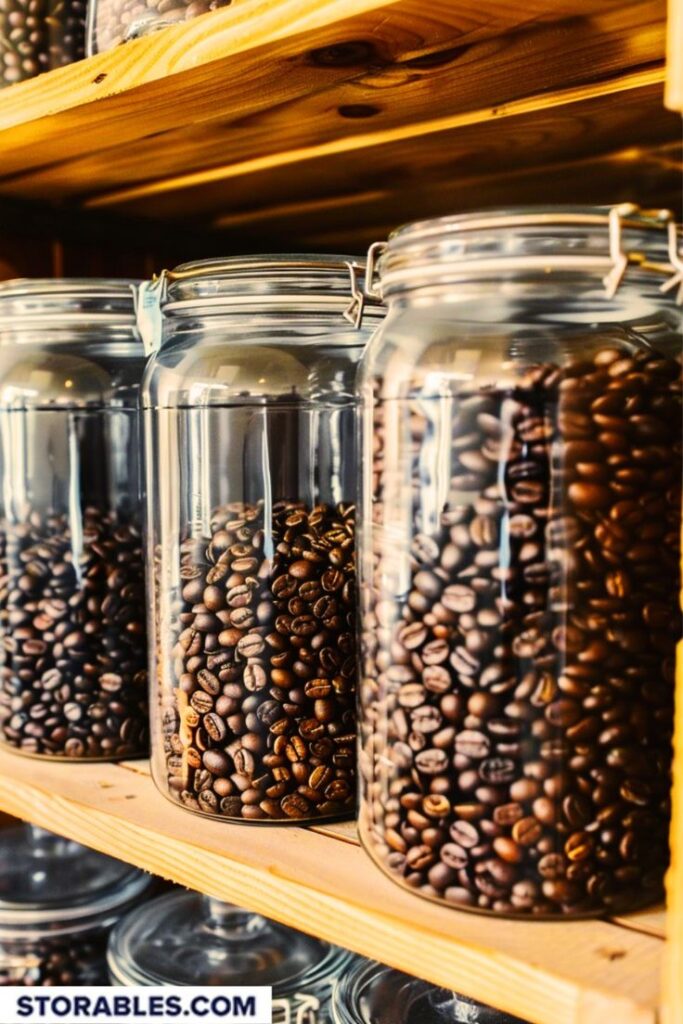
    coffee stored in air tight container

    Coffee beans contain natural oils and hundreds of aromatic compounds that create their unique flavor. Once roasted, these compounds begin to break down when exposed to oxygen and environmental factors.

    Proper storage helps preserve:

    • Fresh aroma
    • Rich flavor
    • Balanced acidity
    • Natural oils
    • Overall coffee quality

    The Four Biggest Enemies of Coffee Beans

    Air

    Oxygen causes coffee beans to oxidize, reducing their freshness over time. Always store beans in an airtight container.

    Light

    Direct sunlight can damage the delicate oils inside coffee beans. Choose an opaque container or store coffee in a dark cupboard.

    Heat

    High temperatures accelerate the aging process. Keep coffee away from ovens, stoves, and sunny windows.

    Moisture

    Humidity introduces moisture that can affect flavor and even encourage mold. Store beans in a dry location.


    Choose the Right Storage Container

    The ideal coffee storage container should be:

    • Airtight
    • Opaque
    • Food-safe
    • Easy to seal after each use

    Containers with a one-way valve are especially useful because they allow carbon dioxide released by freshly roasted beans to escape while preventing oxygen from entering.

    Avoid storing coffee in thin plastic bags after opening, as they provide limited protection against air and moisture.


    Should You Refrigerate Coffee Beans?

    Many people believe the refrigerator keeps coffee fresh, but this is usually not recommended.

    Coffee beans can absorb odors from nearby foods, and frequent temperature changes create condensation that affects flavor.

    Instead, keep your coffee in an airtight container at room temperature in a cool, dry place.


    Is Freezing Coffee Beans a Good Idea?

    Freezing can work if you’re storing unopened beans for an extended period.

    If you freeze coffee:

    • Divide beans into small portions.
    • Use airtight freezer-safe bags or containers.
    • Only thaw what you plan to use.
    • Avoid repeatedly freezing and thawing the same beans.

    For coffee you use every day, room temperature storage is generally the better option.


    How Long Do Coffee Beans Stay Fresh?

    Freshness depends on whether the beans are opened.

    General guidelines:

    Coffee TypeFreshness
    Unopened whole beansUp to 6 months
    Opened whole beans2 to 4 weeks for best flavor
    Ground coffee1 to 2 weeks

    For the best taste, buy smaller quantities that you’ll use within a few weeks.


    Common Coffee Storage Mistakes

    Avoid these common mistakes:

    • Leaving beans in direct sunlight
    • Using clear glass jars on the countertop
    • Storing coffee near the stove
    • Keeping beans in the refrigerator
    • Buying more coffee than you can use while it’s fresh

    Small changes in storage habits can make a noticeable difference in flavor.


    Frequently Asked Questions

    Should coffee beans be stored in glass jars?

    Only if the jar is airtight and kept inside a dark cabinet. Clear glass exposed to light is not ideal.

    Is it better to store whole beans or ground coffee?

    Whole beans stay fresh much longer because less surface area is exposed to oxygen.

    How do I know my coffee beans are stale?

    Stale beans often lose their strong aroma and produce coffee that tastes flat or lifeless.

    What’s the best place to store coffee beans?

    A cool, dry cupboard away from heat, moisture, and sunlight is the best choice.


    Final Thoughts

    Knowing how to store coffee beans correctly can significantly improve your daily coffee experience. By protecting your beans from air, light, heat, and moisture, you’ll preserve their flavor and aroma for much longer.

    Invest in a quality airtight container, purchase beans in reasonable quantities, and enjoy fresher coffee every day.


    This article complements your existing content and strengthens your site’s authority around coffee storage, brewing, and bean care.

    another

    I recommend targeting another high-search-intent topic that fits naturally into your existing content cluster.


  • French Press vs Pour Over: Which Brewing Method Makes Better Coffee?

    French Press vs Pour Over: Which Brewing Method Makes Better Coffee?

    Freshly brewed black coffee in a ceramic mug with coffee beans on a rustic wooden table

    If you’ve ever wondered whether French Press or Pour Over makes better coffee, you’re not alone. Both methods are loved by coffee enthusiasts, but they produce very different cups.

    The right brewing method depends on your taste preferences, how much time you have, and the type of coffee experience you’re looking for.

    In this guide, we’ll compare French Press and Pour Over in terms of flavor, brewing process, equipment, ease of use, and more.

    A French Press is an immersion brewing method where coarse coffee grounds steep in hot water for several minutes before being separated using a metal mesh filter.

    Unlike paper filters, the metal filter allows natural coffee oils and fine particles to remain in the cup, creating a rich and full-bodied flavor.

    Pros

    • Rich and bold taste
    • Full-bodied coffee
    • No paper filters needed
    • Affordable equipment
    • Easy to brew multiple cups

    Cons

    • Some sediment in the cup
    • Can become bitter if over-steeped
    • Requires careful cleaning

    What Is Pour Over Coffee?

    Pour Over coffee involves slowly pouring hot water over coffee grounds placed inside a paper filter. The water extracts the coffee as it flows through the grounds into a cup or server.

    Popular brewers include the Hario V60, Chemex, and Kalita Wave.

    This method gives greater control over brewing and highlights the delicate flavors of specialty coffee.

    Pros

    • Clean and crisp flavor
    • Highlights fruity and floral notes
    • Excellent clarity
    • Great for single-origin beans

    Cons

    • Takes more practice
    • Requires paper filters
    • Slightly longer brewing time

    French Press vs Pour Over Comparison

    Feature French Press Pour Over
    Flavor Rich and bold Clean and bright
    Body Heavy Light to medium
    Filter Metal Paper
    Brewing Time 4 to 5 minutes 3 to 4 minutes
    Difficulty Beginner-friendly Moderate
    Cleanup Moderate Easy
    Best For Strong coffee lovers Flavor-focused drinkers

    Which Brewing Method Produces Better Flavor?

    Neither method is objectively better.

    Choose French Press if you enjoy:

    • Strong coffee
    • Rich mouthfeel
    • Chocolate and nutty flavors
    • Fuller body

    Choose Pour Over if you enjoy:

    • Bright acidity
    • Fruity notes
    • Floral aromas
    • Clean finish

    The brewing method should complement the coffee beans you’re using.


    Best Coffee Grind Size

    French Press

    Use a coarse grind.

    A coarse grind prevents excessive extraction and reduces sediment.

    Pour Over

    Use a medium grind.

    A medium grind allows water to flow at the correct speed for balanced extraction.


    Brewing Tips

    French Press

    • Water temperature: 92 to 96°C
    • Coffee-to-water ratio: 1:15
    • Steep for 4 minutes
    • Stir gently before pressing

    Pour Over

    • Bloom the coffee for 30 to 45 seconds
    • Pour slowly in circular motions
    • Maintain consistent water flow
    • Finish brewing within about 3 minutes

    Which Method Is Better for Beginners?

    French Press is generally easier for beginners because it requires fewer variables and is forgiving if your pouring technique isn’t perfect.

    Pour Over offers greater control but requires practice to achieve consistent results.


    Frequently Asked Questions

    Is French Press stronger than Pour Over?

    French Press often tastes stronger because it retains natural coffee oils and microscopic particles that add body and intensity.

    Which coffee method has more caffeine?

    When the same amount of coffee is used, both brewing methods contain similar amounts of caffeine.

    Which brewing method is easier to clean?

    Pour Over is easier because you simply discard the paper filter and rinse the dripper.

    Can I use the same coffee beans for both methods?

    Yes. However, adjusting the grind size is essential for the best extraction.


    Final Thoughts

    The choice between French Press vs Pour Over comes down to personal preference.

    If you love a rich, bold cup with a heavier body, French Press is an excellent choice. If you prefer a clean, delicate coffee that highlights the unique characteristics of your beans, Pour Over is the better option.

    Experiment with both methods to discover which one suits your taste and brewing style.

  • Does Coffee Expire? Here’s What You Need to Know

    Does Coffee Expire? Here’s What You Need to Know

    Does coffee expire? Proper long-term coffee storage helps preserve freshness and flavor.

    Many coffee lovers wonder, does coffee expire or simply lose its flavor over time? The short answer is yes. While coffee rarely becomes unsafe to drink when stored properly, it gradually loses its freshness, aroma, and taste. Understanding how long coffee lasts and how to store it correctly can help you enjoy a better cup every day.

    Quick Answer

    Does coffee expire? Yes. Coffee has a shelf life. Whole coffee beans generally stay fresh for several weeks after opening, while ground coffee loses freshness more quickly. Proper storage helps extend coffee’s quality and flavor.

    Does Coffee Expire or Just Go Stale?

    Many people confuse expiration with staleness. Coffee expiration usually refers to the date printed on the package, while stale coffee simply means it has lost much of its aroma and flavor because of exposure to air, heat, moisture, or light.

    How Long Do Whole Coffee Beans Last?

    Whole coffee beans stay fresh longer because their protective outer layer slows oxidation. If you’re wondering how long coffee beans last, unopened bags can remain fresh for months, while opened beans are best enjoyed within a few weeks for peak flavor.

    How Long Does Ground Coffee Last?

    Ground coffee has much more surface area exposed to air, causing it to lose freshness faster. Ground coffee shelf life is shorter than whole beans, so grinding just before brewing is always recommended.

    Signs Your Coffee Has Gone Stale

    You can usually tell if coffee has gone stale by looking for these signs:

    • Weak aroma
    • Flat or dull taste
    • Lack of natural sweetness
    • Dry or faded appearance

    Stale coffee is not necessarily unsafe, but it won’t deliver the best flavor.

    Can Expired Coffee Make You Sick?

    Many people ask, can expired coffee make you sick? In most cases, properly stored coffee is still safe to drink after its best-by date. However, if coffee has been exposed to moisture and develops mold or an unusual odor, it should be discarded.

    How to Keep Coffee Fresh Longer

    Knowing how to keep coffee fresh can make a noticeable difference in taste. Store coffee in an airtight, opaque container in a cool, dry place away from heat, moisture, and direct sunlight.

    Does Freezing Coffee Help?

    Some coffee drinkers wonder whether freezing coffee beans extends freshness. Freezing can be effective for long-term storage if beans are divided into airtight portions and thawed only once before use.

    Frequently Asked Questions

    Does coffee expire after opening?

    Yes. Once opened, coffee gradually loses freshness because it is exposed to oxygen.

    How long does coffee stay fresh?

    Whole beans typically stay fresher than ground coffee when stored properly.

    Is expired coffee safe to drink?

    Yes, in most cases, provided it has been stored correctly and shows no signs of mold or contamination.

    What is the best way to store coffee?

    The best method is to keep coffee in an airtight container away from light, heat, air, and moisture.

    Conclusion

    So, does coffee expire? Yes, but proper storage can significantly extend its freshness and preserve its flavor. Whether you buy whole beans or ground coffee, storing it correctly and using it within its peak freshness window will help you enjoy a consistently better cup.

  • How to Store Coffee Beans: 10 Tips to Keep Your Coffee Fresh Longer

    How to Store Coffee Beans: 10 Tips to Keep Your Coffee Fresh Longer

    Whole coffee beans stored in an airtight container to keep them fresh

    Nothing is more disappointing than brewing a cup of coffee only to find it tastes flat or stale.

    The good news is that proper storage can help preserve your coffee’s aroma, flavor, and freshness for weeks after opening.

    Coffee beans are sensitive to air, moisture, heat, and light. By storing them correctly, you can enjoy a richer and more flavorful cup every day.

    In this guide on how to store coffee beans you’ll learn the best ways to store coffee beans, common storage mistakes, and answers to frequently asked questions.


    Quick Answer

    The best way to store coffee beans is in an airtight, opaque container kept in a cool, dry place away from direct sunlight, moisture, and heat. Avoid storing coffee in the refrigerator, as it can absorb moisture and odors from other foods.


    Why Coffee Beans Lose Freshness

    Freshly roasted coffee beans release carbon dioxide through a process called degassing. At the same time, oxygen begins to react with the beans, causing them to lose their aroma and flavor.

    Several factors speed up this process:

    • Air (oxygen)
    • Heat
    • Moisture
    • Light

    Keeping these elements away from your coffee helps preserve its quality.


    1. Use an Airtight Container

    Exposure to oxygen is one of the biggest reasons coffee becomes stale.

    Choose a container that:

    • Has an airtight seal
    • Blocks light
    • Is made from stainless steel, ceramic, or tinted glass

    Avoid clear glass jars placed on the kitchen counter where sunlight can reach them.


    2. Keep Coffee Away from Heat

    Heat accelerates the breakdown of coffee’s natural oils and aromatic compounds.

    Store your coffee away from:

    • Ovens
    • Microwaves
    • Stovetops
    • Dishwashers
    • Sunny windows

    A cool kitchen cabinet is usually the best location.


    3. Avoid Moisture

    Coffee beans easily absorb moisture, which can affect flavor and even encourage mold.

    Never use a wet spoon to scoop coffee, and always close the container immediately after use.


    4. Don’t Store Coffee in the Refrigerator

    Many people believe the refrigerator keeps coffee fresh.

    In reality, refrigerators expose coffee to moisture and food odors, both of which can negatively affect its taste.

    For everyday use, a pantry or cupboard is a much better option.


    5. Freeze Coffee Only for Long-Term Storage

    If you’ve purchased more coffee than you can use within a month, freezing can help preserve freshness.

    For the best results:

    • Divide coffee into small portions.
    • Use airtight freezer-safe bags or containers.
    • Thaw only what you’ll use immediately.
    • Avoid repeatedly freezing and thawing the same beans.

    6. Buy Whole Beans Instead of Ground Coffee

    Whole beans stay fresh longer because less surface area is exposed to oxygen.

    Grinding coffee just before brewing helps preserve its aroma and flavor.

    If possible, invest in a quality burr grinder for more consistent results.


    7. Buy Smaller Quantities

    Coffee is at its best within a few weeks of roasting.

    Instead of buying large bags that last for months, purchase smaller amounts more often.

    This ensures you’re always brewing fresher coffee.


    8. Check the Roast Date

    When buying coffee, look for the roast date, not just the expiration date.

    Freshly roasted coffee usually tastes best between 7 and 30 days after roasting, depending on the brewing method and storage conditions.


    9. Keep the Original Bag if It Has a One-Way Valve

    Many specialty coffee bags include a one-way valve.

    This valve allows carbon dioxide to escape while preventing oxygen from entering.

    If the bag has a strong resealable zipper, it may be suitable for short-term storage. For longer freshness, place the entire bag inside an airtight container.


    10. Grind Only What You Need

    Ground coffee loses freshness much faster than whole beans.

    For the best flavor:

    • Measure only the amount needed.
    • Grind immediately before brewing.
    • Store the remaining beans whole.

    Common Coffee Storage Mistakes

    Avoid these habits:

    • Leaving the coffee bag open
    • Storing beans near the stove
    • Using transparent containers in sunlight
    • Refrigerating coffee for daily use
    • Grinding all your beans at once

    Small changes in storage can make a noticeable difference in flavor.


    Frequently Asked Questions

    How long do coffee beans stay fresh?

    Whole coffee beans generally stay at their best for two to four weeks after opening when stored properly. They remain safe to use beyond that, but the flavor gradually fades.


    Is freezing coffee beans a good idea?

    Yes, but only for long-term storage. Freeze coffee in small, airtight portions and avoid repeated thawing.


    Should coffee be stored in glass jars?

    Tinted or opaque glass jars with airtight lids can work well. Clear glass jars should be kept away from direct sunlight.


    Can I store coffee in its original bag?

    Yes, if the bag has a one-way valve and a resealable closure. For the best protection, place the bag inside an airtight container.


    Final Thoughts

    Proper storage is one of the easiest ways to improve your daily coffee experience.

    Keep your beans in an airtight container, protect them from heat, light, air, and moisture, and grind only what you need. These simple habits help preserve the rich aroma and flavor that make every cup enjoyable.

    Whether you brew with a French press, espresso machine, or pour-over, fresh coffee beans are the foundation of a great cup.

  • How Coffee Beans Are Roasted: Light, Medium, and Dark Roast Explained

    How Coffee Beans Are Roasted

    Have you ever wondered why some coffee tastes bright and fruity while others have rich chocolate or smoky flavors?

    The answer lies in the roasting process.

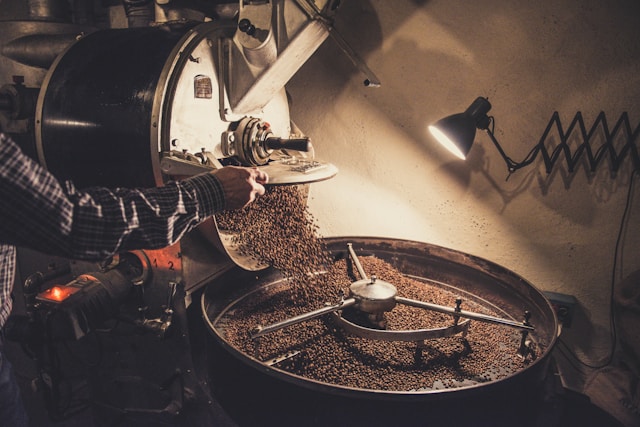
    Roasting transforms green coffee beans into the aromatic brown beans we know and love. The length of time and temperature used during roasting determine the coffee’s flavor, aroma, acidity, body, and appearance.

    Whether you’re new to coffee or looking to choose the perfect roast, this guide explains everything you need to know.

    yanapi senaud 6hr8vpjyuho unsplash (1)

    What Happens During Coffee Roasting?

    Coffee beans are roasted by heating green coffee beans at high temperatures, typically between 180°C and 240°C. The longer the beans roast, the darker they become. Light roasts preserve more of the bean’s original flavors, medium roasts offer balanced sweetness and acidity, while dark roasts develop bold, smoky flavors with lower acidity.

    Green coffee beans contain moisture, natural sugars, and organic compounds.

    As they’re heated, several changes occur:

    • Moisture evaporates.
    • Sugars begin to caramelize.
    • Natural acids change.
    • Oils move toward the surface.
    • Hundreds of aroma compounds develop.

    Around 196°C, beans reach the First Crack, producing a popping sound as steam escapes.

    If roasting continues to approximately 224°C, the beans reach the Second Crack, creating darker roasts with deeper flavors.


    Light Roast Coffee

    Light roast coffee is roasted only until shortly after the First Crack.

    Characteristics

    • Light brown color
    • No visible oil
    • Bright acidity
    • Fruity and floral notes
    • Original bean flavors remain prominent

    Best For

    • Pour Over
    • Chemex
    • AeroPress
    • Drip Coffee

    Coffee enthusiasts often choose light roast to experience the unique characteristics of beans from different growing regions.


    Medium Roast Coffee

    Medium roast is the most popular roast level because it balances acidity, sweetness, and body.

    Characteristics

    • Medium brown color
    • Balanced flavor
    • Smooth finish
    • Caramel and chocolate notes
    • Moderate acidity

    Best For

    • Drip Coffee
    • French Press
    • Espresso
    • Everyday coffee drinkers

    If you’re unsure which roast to try first, medium roast is an excellent starting point.


    Dark Roast Coffee

    Dark roast beans are roasted beyond the Second Crack.

    Characteristics

    • Dark brown to nearly black
    • Oily surface
    • Bold flavor
    • Smoky aroma
    • Low acidity
    • Heavy body

    Best For

    • Espresso
    • Milk-based drinks
    • Cappuccinos
    • Lattes

    Dark roasts emphasize roasting flavors more than the bean’s original characteristics.


    Light vs Medium vs Dark Roast

    FeatureLight RoastMedium RoastDark Roast
    ColorLight BrownMedium BrownDark Brown
    AcidityHighMediumLow
    SweetnessModerateHighLow
    BodyLightMediumFull
    FlavorFruity, FloralBalancedBold, Smoky
    OilsNoneMinimalVisible
    Best BrewingPour OverDripEspresso

    Which Roast Has the Most Caffeine?

    One of the biggest coffee myths is that dark roast contains more caffeine.

    The truth is that light and dark roasts contain very similar amounts of caffeine.

    Light roast beans are slightly denser, while dark roast beans lose more mass during roasting. The actual caffeine difference is minimal and usually not noticeable in a typical cup.


    Which Roast Is Best?

    Choose a roast based on your taste preferences.

    Choose Light Roast if you enjoy:

    • Bright acidity
    • Fruity flavors
    • Specialty coffee
    • Complex aromas

    Choose Medium Roast if you enjoy:

    • Balanced taste
    • Everyday coffee
    • Smooth sweetness
    • Versatile brewing

    Choose Dark Roast if you enjoy:

    • Strong flavor
    • Smoky notes
    • Espresso drinks
    • Rich body

    Frequently Asked Questions

    Does roasting make coffee stronger?

    Roasting changes flavor more than caffeine content. Dark roasts taste stronger because of their bold, smoky profile, not because they contain significantly more caffeine.


    Why are dark roast beans oily?

    During longer roasting, natural oils migrate to the bean’s surface, giving dark roast coffee its glossy appearance.


    Can the same coffee bean be roasted differently?

    Yes. The same coffee beans can be roasted as light, medium, or dark roasts, producing very different flavors and aromas.


    Is light roast more acidic?

    Yes. Light roast coffee generally retains more of its natural acids, resulting in a brighter and more vibrant taste.


    Final Thoughts

    Roasting is one of the most important stages in coffee production because it shapes the flavor of every cup.

    Light roasts highlight the bean’s natural character, medium roasts offer balance, and dark roasts deliver bold intensity. There is no universally “best” roast. The right choice depends on your personal taste and preferred brewing method.

    The best way to discover your favorite roast is to try each one side by side and experience how roasting transforms the same coffee bean into three distinct flavor profiles.

    Discover more coffee guides, brewing tips, and coffee culture articles at Morning Brew Co:

    https://s15.upskillrocketdm.com/morning-brew-co/

  • How to Brew Coffee at Home: A Beginner’s Guide

    How to Brew Coffee at Home: A Beginner’s Guide

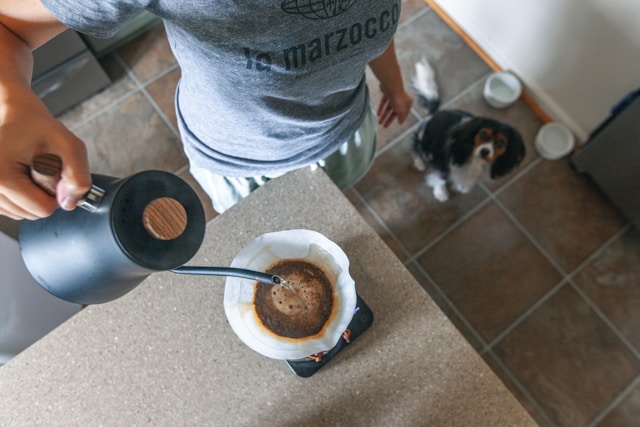
    Freshly brewed coffee at home in a ceramic mug

    How to brew coffee at home is a skill that every coffee lover can master. With fresh coffee beans, quality water, and the right brewing method, you can enjoy a café-style coffee without leaving your home. Whether you prefer a bold espresso, a smooth pour-over, or a rich French press, this guide will help you brew a delicious cup every time.


    Quick Answer: How to Brew Coffee at Home

    To brew coffee at home, use freshly roasted coffee beans, grind them according to your brewing method, heat filtered water to 90 to 96°C (195 to 205°F), and maintain the correct coffee-to-water ratio. Following these simple steps ensures a flavorful, balanced, and aromatic cup of coffee.


    How to Brew Coffee at Home: What You’ll Need

    Before you begin, gather the essential tools and ingredients.

    Essential Equipment

    • Fresh coffee beans
    • Coffee grinder
    • Filtered water
    • Kettle
    • Coffee scale or measuring spoon
    • Mug or coffee cup
    • Brewing equipment

    Depending on your preference, you can use:

    • French Press
    • Pour Over (V60)
    • AeroPress
    • Espresso Machine
    • Drip Coffee Maker

    Fresh ingredients and clean equipment make a noticeable difference in the final taste.


    How to Brew Coffee at Home with the Right Coffee Beans

    The quality of your coffee starts with the beans.

    For the best results:

    • Buy freshly roasted whole beans.
    • Store beans in an airtight container away from heat and light.
    • Grind the beans just before brewing.

    Arabica beans are known for their smooth and sweet flavor, while Robusta beans provide a stronger taste and higher caffeine content. You can also choose blends to enjoy the best of both varieties.


    Select the Right Grind Size

    Different brewing methods require different grind sizes.

    Brewing MethodGrind Size
    EspressoFine
    Pour OverMedium
    Drip Coffee MakerMedium
    French PressCoarse
    Cold BrewExtra Coarse

    Using the correct grind size improves extraction and creates a better-tasting cup.


    Use the Correct Coffee-to-Water Ratio

    One of the biggest secrets to great coffee is consistency.

    A common recommendation is:

    • 1 gram of coffee for every 15 to 18 grams of water

    For one standard mug, use approximately:

    • 15 to 18 grams of coffee
    • 250 ml of water

    Adjust the ratio depending on whether you prefer stronger or lighter coffee.


    Heat Water to the Ideal Temperature

    Water temperature has a significant impact on flavor.

    The ideal brewing temperature is:

    90 to 96°C (195 to 205°F)

    Water that is too hot can create bitterness, while cooler water may lead to under-extraction and a weak cup.

    If you boil water, allow it to rest for about 30 seconds before pouring it over the coffee grounds.


    Brewing Methods Explained

    How to Brew Coffee at Home with a French Press

    French Press brewing creates a rich and full-bodied cup.

    Steps:

    1. Add coarse coffee grounds.
    2. Pour hot water evenly.
    3. Stir gently.
    4. Let the coffee steep for four minutes.
    5. Press the plunger slowly.
    6. Serve immediately.

    How to Brew Coffee at Home with a Pour Over

    Pour-over coffee produces a clean and balanced flavor.

    Steps:

    1. Place a paper filter in the dripper.
    2. Rinse the filter with hot water.
    3. Add medium-ground coffee.
    4. Slowly pour water in circular motions.
    5. Allow the coffee to drip naturally.

    How to Brew Coffee at Home with an Espresso Machine

    Espresso delivers a concentrated and bold coffee experience.

    Steps:

    1. Grind coffee finely.
    2. Fill and tamp the portafilter evenly.
    3. Lock it into the machine.
    4. Brew for about 25 to 30 seconds.

    How to Brew Coffee at Home with an AeroPress

    The AeroPress is quick, portable, and easy to use.

    It produces smooth coffee with low bitterness and is ideal for beginners and travelers.


    How to Brew Coffee at Home with a Drip Coffee Maker

    A drip coffee maker is convenient for brewing multiple cups.

    Simply add water, place the coffee grounds in the filter basket, and start the brewing cycle.


    Common Coffee Brewing Mistakes

    Avoid these mistakes for better results.

    • Using stale coffee beans
    • Grinding coffee too early
    • Incorrect grind size
    • Using boiling water directly
    • Guessing measurements instead of weighing coffee
    • Neglecting to clean brewing equipment

    Even small improvements can dramatically enhance the flavor of your coffee.


    Tips for Better Coffee Every Morning

    Improve your coffee routine with these simple tips.

    • Buy freshly roasted beans.
    • Grind coffee immediately before brewing.
    • Use filtered water.
    • Store coffee in an airtight container.
    • Keep your brewing equipment clean.
    • Experiment with different beans and brewing methods.

    Consistency is the key to making excellent coffee at home.


    Frequently Asked Questions

    What is the easiest way to brew coffee at home?

    A French Press or drip coffee maker is one of the easiest methods for beginners because both require minimal equipment and produce consistently good coffee.


    What is the best coffee-to-water ratio?

    A ratio of 1:15 to 1:18 is recommended for most brewing methods. You can adjust it to suit your personal taste.


    Should I grind coffee before brewing?

    Yes. Grinding coffee immediately before brewing preserves the aroma and flavor, resulting in a fresher cup.


    Can I brew coffee without a coffee machine?

    Absolutely. Methods such as the French Press, AeroPress, and Pour Over require little equipment and can produce excellent coffee without an espresso machine.


    Final Thoughts

    Learning how to brew coffee at home is a rewarding experience that allows you to enjoy fresh, flavorful coffee whenever you like. By selecting quality beans, using the correct grind size, maintaining the ideal coffee-to-water ratio, and choosing the right brewing method, you can create café-quality coffee in your own kitchen.

    Experiment with different brewing techniques, coffee beans, and recipes until you discover the cup that perfectly matches your taste. Every brew is an opportunity to improve your skills and enjoy the rich world of coffee.

  • Arabica vs Robusta: Which Coffee Bean Is Right for You?

    Arabica vs Robusta: Which Coffee Bean Is Right for You?

    If you’ve ever wondered about the difference between Arabica vs Robusta coffee beans, you’re not alone. These are the two most popular coffee varieties in the world, and each offers a unique flavor, aroma, and caffeine level. Understanding their differences can help you choose the perfect coffee for your taste and brewing style.


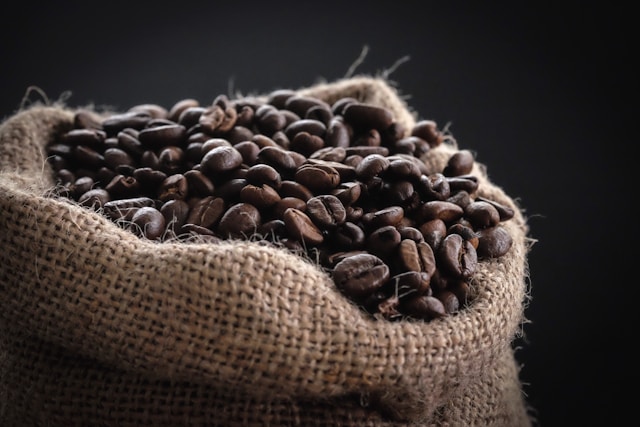
    Close-up of Arabica vs Robusta coffee beans

    Arabica vs Robusta: Quick Comparison

    Arabica and Robusta are the two main types of coffee beans.

    • Arabica has a smooth, sweet, and fruity flavor with lower caffeine.
    • Robusta has a stronger, bolder, and more bitter taste with higher caffeine.

    Arabica is commonly used in specialty coffee, while Robusta is often found in espresso blends and instant coffee.


    What Is Arabica Coffee?

    Arabica coffee comes from the Coffea arabica plant and accounts for approximately 60 to 70% of the world’s coffee production.

    Arabica beans are typically grown at higher altitudes with cooler temperatures. These conditions allow the beans to mature slowly, creating complex flavors and pleasant acidity.

    Arabica Coffee Characteristics

    • Smooth and balanced flavor
    • Fruity and floral notes
    • Lower caffeine content
    • Higher acidity
    • Premium quality
    • Widely used in specialty cafés

    Popular Arabica-producing countries include Brazil, Colombia, Ethiopia, Guatemala, and Costa Rica.


    What Is Robusta Coffee?

    Robusta coffee comes from the Coffea canephora plant.

    It grows well in warmer climates at lower elevations and is naturally more resistant to pests and diseases.

    Robusta beans contain significantly more caffeine, giving them a stronger and more intense flavor.

    Robusta Coffee Characteristics

    • Bold and earthy taste
    • Strong bitterness
    • Higher caffeine content
    • Lower acidity
    • Thick crema for espresso
    • Common in instant coffee and espresso blends

    Vietnam is the world’s largest producer of Robusta coffee.


    Arabica vs Robusta: Key Differences

    FeatureArabicaRobusta
    FlavorSweet, smooth, fruityStrong, bold, bitter
    CaffeineLowerHigher
    AcidityHighLow
    AromaFloral and fruityEarthy and nutty
    Growing AltitudeHighLow
    Disease ResistanceLowerHigher
    PriceUsually higherUsually lower
    Common UseSpecialty coffeeEspresso blends and instant coffee

    Arabica vs Robusta: Caffeine Content

    Robusta coffee contains almost twice as much caffeine as Arabica.

    The higher caffeine level gives Robusta its stronger flavor and also helps protect the coffee plant from insects and pests.

    If you want a stronger energy boost, Robusta is often the better choice.


    Which Coffee Bean Tastes Better?

    Taste is subjective, but many coffee lovers prefer Arabica because of its smooth, sweet, and balanced flavor.

    Arabica often features tasting notes such as:

    • Chocolate
    • Caramel
    • Citrus
    • Berries
    • Floral aromas

    Robusta is ideal for people who enjoy a stronger, richer coffee with less acidity.


    Which Coffee Bean Is Better for Espresso?

    Both coffee beans can make excellent espresso.

    • Arabica espresso offers a smoother, sweeter flavor.
    • Robusta espresso creates a thicker crema and a stronger taste.

    Many coffee roasters blend Arabica and Robusta to achieve a balance of sweetness, body, and crema.


    Which Coffee Bean Should You Choose?

    Choose Arabica if you:

    • Prefer smooth and mild coffee
    • Enjoy fruity or floral flavors
    • Drink black coffee
    • Appreciate specialty coffee

    Choose Robusta if you:

    • Like strong and bold coffee
    • Want more caffeine
    • Prefer espresso with thick crema
    • Enjoy milk-based coffee drinks

    Frequently Asked Questions

    Is Arabica better than Robusta?

    Neither is objectively better. Arabica is valued for its smooth and complex flavor, while Robusta is appreciated for its strength, higher caffeine content, and rich crema.


    Why is Arabica more expensive?

    Arabica requires specific growing conditions, higher altitudes, and more careful cultivation. It is also more vulnerable to pests and diseases, making production more costly.


    Can Arabica and Robusta Be Mixed?

    Yes. Many coffee brands blend Arabica and Robusta beans to create a balanced coffee with smooth flavor, extra body, and a creamy espresso finish.


    Which Coffee Bean Is Healthier?

    Both Arabica and Robusta contain antioxidants and beneficial plant compounds. The healthier choice depends more on how the coffee is prepared and what ingredients are added.


    Final Thoughts

    The debate between Arabica vs Robusta comes down to personal preference. Arabica is known for its smooth, aromatic, and flavorful profile, making it a favorite among specialty coffee enthusiasts. Robusta stands out for its bold taste, higher caffeine content, and rich crema, making it popular in espresso blends and instant coffee.

    Trying both varieties is the best way to discover which coffee matches your taste. Whether you enjoy a delicate cup of Arabica or the bold intensity of Robusta, understanding these coffee beans helps you make a more informed choice every time you brew.

    Explore different coffee beans, experiment with brewing methods, and enjoy the unique flavors each variety has to offer.

  • From Farm to Cup: The Journey of Coffee Beans

    From Farm to Cup: The Journey of Coffee Beans

    Smiling coffee farmer harvesting ripe coffee cherries for premium coffee beans

    How coffee beans are grown is a fascinating process that begins on coffee farms in tropical regions around the world. From planting and nurturing coffee trees to harvesting ripe cherries, processing the beans, roasting, and brewing, every step influences the flavor and quality of your coffee. In this guide, you’ll discover the complete journey of coffee beans from farm to cup.

    Whether you enjoy espresso, cappuccino, latte, or black coffee, it all starts on a coffee farm.


    How Coffee Beans Are Grown: The Complete Process

    Coffee beans go through several important stages:

    1. Coffee trees are planted and nurtured.
    2. Ripe coffee cherries are harvested.
    3. The cherries are processed to remove the fruit.
    4. The beans are dried and sorted.
    5. Green coffee beans are roasted.
    6. The roasted beans are ground and brewed into coffee.

    Each stage plays a vital role in determining the flavor, aroma, and overall quality of the final cup.


    1. Growing Coffee Trees

    Coffee begins as a small seed planted in fertile soil. Coffee trees thrive in tropical regions with moderate temperatures, consistent rainfall, and nutrient-rich volcanic soil. Countries such as Brazil, Colombia, Ethiopia, Vietnam, and Costa Rica are among the world’s leading coffee producers.

    Most specialty coffee is grown at higher elevations, where cooler temperatures allow coffee cherries to mature slowly. This slower growth develops more complex flavors.

    A coffee tree typically takes three to four years before producing its first harvest.


    2. Flowering and Coffee Cherries

    When coffee trees bloom, they produce beautiful white flowers with a pleasant fragrance. After pollination, these flowers develop into green coffee cherries.

    Over several months, the cherries gradually ripen and change color from green to bright red, indicating they are ready for harvest.

    Only fully ripe cherries are selected for premium-quality coffee because they deliver the best flavor.


    3. Harvesting Coffee Cherries

    Harvesting is one of the most labor-intensive stages of coffee production.

    Hand Picking

    Many specialty coffee farms carefully hand-pick only the ripe cherries. Although this method requires more time and effort, it produces higher-quality coffee.

    Machine Harvesting

    Large commercial farms often use harvesting machines that collect all cherries at once. This method is faster but may include both ripe and unripe fruit.

    The harvesting method directly influences the consistency and taste of the coffee.


    4.How Coffee Beans Are Processed

    After harvesting, the fruit surrounding each coffee bean must be removed.

    Washed Process

    The fruit is removed before drying. This method produces a clean, bright, and balanced flavor.

    Natural Process

    The cherries are dried with the fruit still attached. This often creates sweeter, fruitier flavor notes.

    Honey Process

    Some fruit remains on the bean while drying, creating a smooth balance between sweetness and acidity.

    Proper processing helps preserve the bean’s natural characteristics.


    5. How Coffee Beans Are Dried and Sorted

    Once processed, the beans are carefully dried until they reach the correct moisture level.

    After drying, coffee beans are sorted according to size, density, and quality. Defective beans are removed to ensure consistency.

    The remaining beans are known as green coffee beans, ready to be shipped to coffee roasters around the world.


    6. How Coffee Beans Are Roasted

    Roasting transforms green coffee beans into the aromatic beans we recognize.

    Different roasting levels create different flavor profiles:

    • Light Roast: Bright acidity with fruity and floral notes.
    • Medium Roast: Balanced sweetness and acidity.
    • Dark Roast: Bold flavor with chocolate, caramel, and smoky notes.

    Roasting is both a science and an art, requiring careful control of time and temperature.


    7. Grinding and Brewing

    Freshly roasted beans are ground according to the brewing method.

    Different brewing methods require different grind sizes.

    • Espresso: Fine grind
    • Pour Over: Medium grind
    • French Press: Coarse grind
    • Cold Brew: Extra coarse grind

    Using the correct grind size helps extract the best flavor from the coffee.


    8. Enjoying Your Perfect Cup

    Finally, the brewed coffee is ready to enjoy.

    Whether you prefer an espresso, cappuccino, latte, mocha, or black coffee, every drink begins with months of careful farming, harvesting, processing, and roasting.

    The journey from farm to cup represents dedication, craftsmanship, and passion at every stage.


    Why Knowing How Coffee Beans Are Grown Matters

    Coffee farmers are the foundation of the coffee industry.

    They work year-round to:

    • Plant healthy coffee trees
    • Protect crops from pests and disease
    • Harvest only ripe cherries
    • Improve coffee quality
    • Support sustainable farming practices

    Choosing coffee from ethical and sustainable sources helps support farming communities while protecting the environment.


    Frequently Asked Questions

    How long does it take for a coffee tree to produce beans?

    Most coffee trees begin producing coffee cherries after three to four years and can remain productive for decades with proper care.


    What is a coffee bean?

    A coffee bean is actually the seed found inside a coffee cherry. After processing, drying, and roasting, it becomes the bean used to brew coffee.


    Which country produces the most coffee?

    Brazil is the world’s largest coffee producer, followed by Vietnam and Colombia.


    Why are coffee cherries picked by hand?

    Hand-picking allows farmers to select only ripe cherries, producing higher-quality coffee with better flavor and consistency.


    Does the farming process affect coffee taste?

    Yes. Climate, soil, altitude, harvesting, processing, and roasting all influence the aroma, acidity, sweetness, body, and flavor of the final cup.


    Final Thoughts

    Every cup of coffee tells a remarkable story. From nurturing young coffee trees to harvesting ripe cherries, processing the beans, roasting them to perfection, and finally brewing your favorite drink, each step contributes to the unique flavors you enjoy.

    The next time you take a sip of coffee, remember the dedication of the farmers whose expertise and hard work made that moment possible.

    Enjoy every cup with a deeper appreciation for the journey from farm to cup.

  • Espresso vs Cappuccino vs Latte: What’s the Difference?

    A Closer Look at Three Classic Coffee Styles

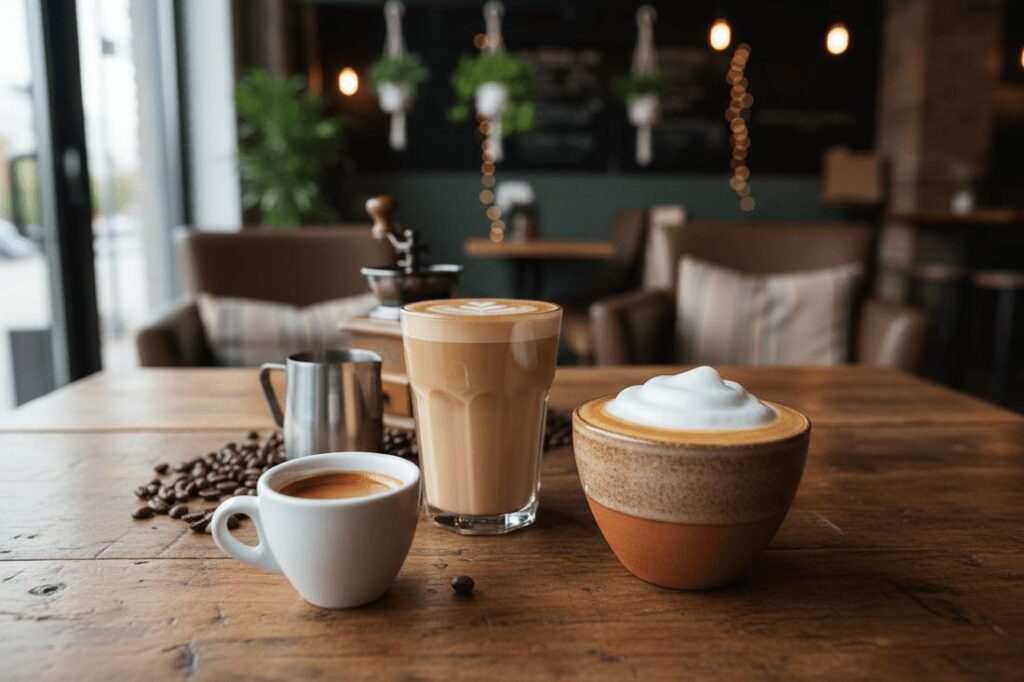
    Espresso vs cappuccino vs latte served in ceramic coffee cups

    Coffee lovers often come across popular drinks like espresso, cappuccino, and latte on café menus. While they all begin with espresso, each beverage offers a unique flavor, texture, and coffee experience. Understanding the difference between espresso vs cappuccino vs latte can help you choose the perfect drink based on your personal preferences.

    What Is Espresso in Espresso vs Cappuccino vs Latte?

    Espresso is the foundation of many coffee beverages. It is made by forcing hot water through finely ground coffee under high pressure. The result is a small, concentrated shot with a rich aroma and a golden layer of crema on top.

    Characteristics of espresso:

    • Strong and bold flavor
    • Served in small portions
    • Rich crema
    • High coffee concentration

    Espresso is perfect for people who enjoy an intense coffee flavor without milk.


    What Is a Cappuccino in Espresso vs Cappuccino vs Latte?

    A cappuccino combines espresso with steamed milk and a thick layer of milk foam. The equal balance of coffee, milk, and foam creates a creamy texture while preserving the bold flavor of espresso.

    A traditional cappuccino consists of:

    • One shot of espresso
    • Steamed milk
    • Thick milk foam

    The foam gives cappuccino its signature light and airy texture, making it a favorite among coffee enthusiasts.


    What Is a Latte in Espresso vs Cappuccino vs Latte?

    A latte is made with espresso and a larger amount of steamed milk, finished with a thin layer of milk foam. Because it contains more milk than a cappuccino, it has a smoother and creamier taste.

    A typical latte includes:

    • One or two shots of espresso
    • Plenty of steamed milk
    • Thin layer of milk foam

    Lattes are ideal for those who prefer a mild coffee flavor.


    The Main Differences

    Although these drinks share the same espresso base, they differ in milk content and texture.

    CoffeeEspressoSteamed MilkFoamFlavor
    Espresso✔✖✖Strong & Bold
    Cappuccino✔MediumThickRich & Creamy
    Latte✔HighThinSmooth & Mild

    Which Coffee Should You Choose?

    Your choice depends on your taste.

    Choose Espresso if you enjoy:

    • Strong coffee
    • Intense aroma
    • Pure coffee flavor

    Choose Cappuccino if you like:

    • Balanced coffee and milk
    • Creamy foam
    • Traditional café experience

    Choose Latte if you prefer:

    • Smooth coffee
    • More milk
    • Mild flavor

    Tips for Enjoying Coffee

    To get the best experience:

    • Drink coffee soon after it is prepared.
    • Pair espresso with dark chocolate.
    • Enjoy cappuccino with a croissant.
    • Pair a latte with cookies or pastries.

    Using freshly roasted beans and quality milk will always improve the flavor.


    Final Thoughts

    Understanding the difference between these beverages makes it easier to order your favorite coffee with confidence. Whether you enjoy the bold intensity of espresso, the balanced richness of cappuccino, or the smooth creaminess of a latte, each drink offers a unique coffee experience.

    At Morning Brew Co., every beverage is handcrafted using premium coffee beans and carefully prepared by our expert baristas to deliver exceptional flavor in every cup.