From Farm to Cup: The Journey of Coffee Beans
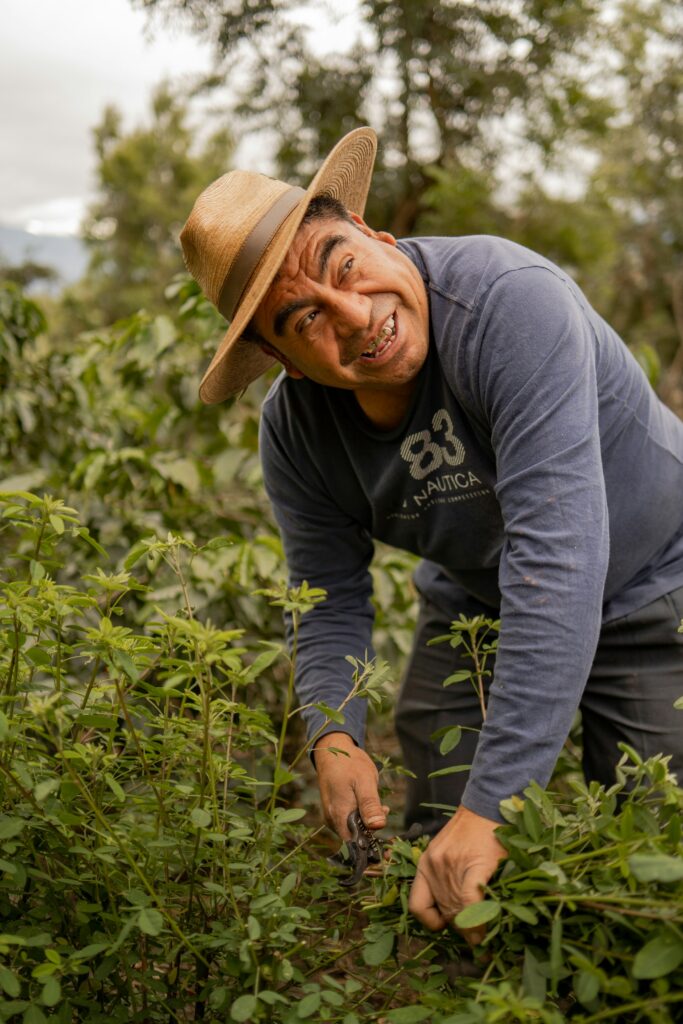
How coffee beans are grown is a fascinating process that begins on coffee farms in tropical regions around the world. From planting and nurturing coffee trees to harvesting ripe cherries, processing the beans, roasting, and brewing, every step influences the flavor and quality of your coffee. In this guide, you’ll discover the complete journey of coffee beans from farm to cup.
Whether you enjoy espresso, cappuccino, latte, or black coffee, it all starts on a coffee farm.
How Coffee Beans Are Grown: The Complete Process
Coffee beans go through several important stages:
- Coffee trees are planted and nurtured.
- Ripe coffee cherries are harvested.
- The cherries are processed to remove the fruit.
- The beans are dried and sorted.
- Green coffee beans are roasted.
- The roasted beans are ground and brewed into coffee.
Each stage plays a vital role in determining the flavor, aroma, and overall quality of the final cup.
1. Growing Coffee Trees
Coffee begins as a small seed planted in fertile soil. Coffee trees thrive in tropical regions with moderate temperatures, consistent rainfall, and nutrient-rich volcanic soil. Countries such as Brazil, Colombia, Ethiopia, Vietnam, and Costa Rica are among the world’s leading coffee producers.
Most specialty coffee is grown at higher elevations, where cooler temperatures allow coffee cherries to mature slowly. This slower growth develops more complex flavors.
A coffee tree typically takes three to four years before producing its first harvest.
2. Flowering and Coffee Cherries
When coffee trees bloom, they produce beautiful white flowers with a pleasant fragrance. After pollination, these flowers develop into green coffee cherries.
Over several months, the cherries gradually ripen and change color from green to bright red, indicating they are ready for harvest.
Only fully ripe cherries are selected for premium-quality coffee because they deliver the best flavor.
3. Harvesting Coffee Cherries
Harvesting is one of the most labor-intensive stages of coffee production.
Hand Picking
Many specialty coffee farms carefully hand-pick only the ripe cherries. Although this method requires more time and effort, it produces higher-quality coffee.
Machine Harvesting
Large commercial farms often use harvesting machines that collect all cherries at once. This method is faster but may include both ripe and unripe fruit.
The harvesting method directly influences the consistency and taste of the coffee.
4.How Coffee Beans Are Processed
After harvesting, the fruit surrounding each coffee bean must be removed.
Washed Process
The fruit is removed before drying. This method produces a clean, bright, and balanced flavor.
Natural Process
The cherries are dried with the fruit still attached. This often creates sweeter, fruitier flavor notes.
Honey Process
Some fruit remains on the bean while drying, creating a smooth balance between sweetness and acidity.
Proper processing helps preserve the bean’s natural characteristics.
5. How Coffee Beans Are Dried and Sorted
Once processed, the beans are carefully dried until they reach the correct moisture level.
After drying, coffee beans are sorted according to size, density, and quality. Defective beans are removed to ensure consistency.
The remaining beans are known as green coffee beans, ready to be shipped to coffee roasters around the world.
6. How Coffee Beans Are Roasted
Roasting transforms green coffee beans into the aromatic beans we recognize.
Different roasting levels create different flavor profiles:
- Light Roast: Bright acidity with fruity and floral notes.
- Medium Roast: Balanced sweetness and acidity.
- Dark Roast: Bold flavor with chocolate, caramel, and smoky notes.
Roasting is both a science and an art, requiring careful control of time and temperature.
7. Grinding and Brewing
Freshly roasted beans are ground according to the brewing method.
Different brewing methods require different grind sizes.
- Espresso: Fine grind
- Pour Over: Medium grind
- French Press: Coarse grind
- Cold Brew: Extra coarse grind
Using the correct grind size helps extract the best flavor from the coffee.
8. Enjoying Your Perfect Cup
Finally, the brewed coffee is ready to enjoy.
Whether you prefer an espresso, cappuccino, latte, mocha, or black coffee, every drink begins with months of careful farming, harvesting, processing, and roasting.
The journey from farm to cup represents dedication, craftsmanship, and passion at every stage.
Why Knowing How Coffee Beans Are Grown Matters
Coffee farmers are the foundation of the coffee industry.
They work year-round to:
- Plant healthy coffee trees
- Protect crops from pests and disease
- Harvest only ripe cherries
- Improve coffee quality
- Support sustainable farming practices
Choosing coffee from ethical and sustainable sources helps support farming communities while protecting the environment.
Frequently Asked Questions
How long does it take for a coffee tree to produce beans?
Most coffee trees begin producing coffee cherries after three to four years and can remain productive for decades with proper care.
What is a coffee bean?
A coffee bean is actually the seed found inside a coffee cherry. After processing, drying, and roasting, it becomes the bean used to brew coffee.
Which country produces the most coffee?
Brazil is the world’s largest coffee producer, followed by Vietnam and Colombia.
Why are coffee cherries picked by hand?
Hand-picking allows farmers to select only ripe cherries, producing higher-quality coffee with better flavor and consistency.
Does the farming process affect coffee taste?
Yes. Climate, soil, altitude, harvesting, processing, and roasting all influence the aroma, acidity, sweetness, body, and flavor of the final cup.
Final Thoughts
Every cup of coffee tells a remarkable story. From nurturing young coffee trees to harvesting ripe cherries, processing the beans, roasting them to perfection, and finally brewing your favorite drink, each step contributes to the unique flavors you enjoy.
The next time you take a sip of coffee, remember the dedication of the farmers whose expertise and hard work made that moment possible.
Enjoy every cup with a deeper appreciation for the journey from farm to cup.
Leave a Reply