How Coffee Beans Are Roasted
Have you ever wondered why some coffee tastes bright and fruity while others have rich chocolate or smoky flavors?
The answer lies in the roasting process.
Roasting transforms green coffee beans into the aromatic brown beans we know and love. The length of time and temperature used during roasting determine the coffee’s flavor, aroma, acidity, body, and appearance.
Whether you’re new to coffee or looking to choose the perfect roast, this guide explains everything you need to know.
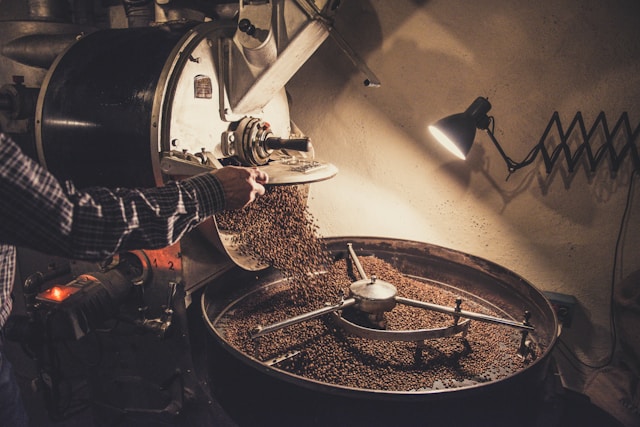
What Happens During Coffee Roasting?
Coffee beans are roasted by heating green coffee beans at high temperatures, typically between 180°C and 240°C. The longer the beans roast, the darker they become. Light roasts preserve more of the bean’s original flavors, medium roasts offer balanced sweetness and acidity, while dark roasts develop bold, smoky flavors with lower acidity.
Green coffee beans contain moisture, natural sugars, and organic compounds.
As they’re heated, several changes occur:
- Moisture evaporates.
- Sugars begin to caramelize.
- Natural acids change.
- Oils move toward the surface.
- Hundreds of aroma compounds develop.
Around 196°C, beans reach the First Crack, producing a popping sound as steam escapes.
If roasting continues to approximately 224°C, the beans reach the Second Crack, creating darker roasts with deeper flavors.
Light Roast Coffee
Light roast coffee is roasted only until shortly after the First Crack.
Characteristics
- Light brown color
- No visible oil
- Bright acidity
- Fruity and floral notes
- Original bean flavors remain prominent
Best For
- Pour Over
- Chemex
- AeroPress
- Drip Coffee
Coffee enthusiasts often choose light roast to experience the unique characteristics of beans from different growing regions.
Medium Roast Coffee
Medium roast is the most popular roast level because it balances acidity, sweetness, and body.
Characteristics
- Medium brown color
- Balanced flavor
- Smooth finish
- Caramel and chocolate notes
- Moderate acidity
Best For
- Drip Coffee
- French Press
- Espresso
- Everyday coffee drinkers
If you’re unsure which roast to try first, medium roast is an excellent starting point.
Dark Roast Coffee
Dark roast beans are roasted beyond the Second Crack.
Characteristics
- Dark brown to nearly black
- Oily surface
- Bold flavor
- Smoky aroma
- Low acidity
- Heavy body
Best For
- Espresso
- Milk-based drinks
- Cappuccinos
- Lattes
Dark roasts emphasize roasting flavors more than the bean’s original characteristics.
Light vs Medium vs Dark Roast
| Feature | Light Roast | Medium Roast | Dark Roast |
|---|---|---|---|
| Color | Light Brown | Medium Brown | Dark Brown |
| Acidity | High | Medium | Low |
| Sweetness | Moderate | High | Low |
| Body | Light | Medium | Full |
| Flavor | Fruity, Floral | Balanced | Bold, Smoky |
| Oils | None | Minimal | Visible |
| Best Brewing | Pour Over | Drip | Espresso |
Which Roast Has the Most Caffeine?
One of the biggest coffee myths is that dark roast contains more caffeine.
The truth is that light and dark roasts contain very similar amounts of caffeine.
Light roast beans are slightly denser, while dark roast beans lose more mass during roasting. The actual caffeine difference is minimal and usually not noticeable in a typical cup.
Which Roast Is Best?
Choose a roast based on your taste preferences.
Choose Light Roast if you enjoy:
- Bright acidity
- Fruity flavors
- Specialty coffee
- Complex aromas
Choose Medium Roast if you enjoy:
- Balanced taste
- Everyday coffee
- Smooth sweetness
- Versatile brewing
Choose Dark Roast if you enjoy:
- Strong flavor
- Smoky notes
- Espresso drinks
- Rich body
Frequently Asked Questions
Does roasting make coffee stronger?
Roasting changes flavor more than caffeine content. Dark roasts taste stronger because of their bold, smoky profile, not because they contain significantly more caffeine.
Why are dark roast beans oily?
During longer roasting, natural oils migrate to the bean’s surface, giving dark roast coffee its glossy appearance.
Can the same coffee bean be roasted differently?
Yes. The same coffee beans can be roasted as light, medium, or dark roasts, producing very different flavors and aromas.
Is light roast more acidic?
Yes. Light roast coffee generally retains more of its natural acids, resulting in a brighter and more vibrant taste.
Final Thoughts
Roasting is one of the most important stages in coffee production because it shapes the flavor of every cup.
Light roasts highlight the bean’s natural character, medium roasts offer balance, and dark roasts deliver bold intensity. There is no universally “best” roast. The right choice depends on your personal taste and preferred brewing method.
The best way to discover your favorite roast is to try each one side by side and experience how roasting transforms the same coffee bean into three distinct flavor profiles.
Discover more coffee guides, brewing tips, and coffee culture articles at Morning Brew Co:
Leave a Reply