Category: Uncategorized

  • How to Store Coffee Beans: 10 Tips to Keep Your Coffee Fresh Longer
    How to Store Coffee Beans: 10 Tips to Keep Your Coffee Fresh Longer

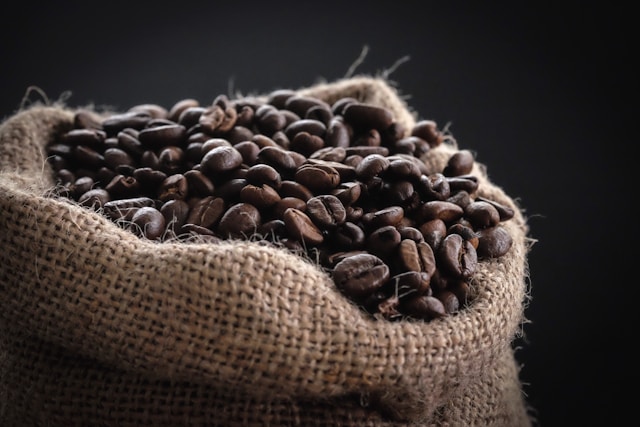
    Whole coffee beans stored in an airtight container to keep them fresh

    Nothing is more disappointing than brewing a cup of coffee only to find it tastes flat or stale.

    The good news is that proper storage can help preserve your coffee’s aroma, flavor, and freshness for weeks after opening.

    Coffee beans are sensitive to air, moisture, heat, and light. By storing them correctly, you can enjoy a richer and more flavorful cup every day.

    In this guide on how to store coffee beans you’ll learn the best ways to store coffee beans, common storage mistakes, and answers to frequently asked questions.


    Quick Answer

    The best way to store coffee beans is in an airtight, opaque container kept in a cool, dry place away from direct sunlight, moisture, and heat. Avoid storing coffee in the refrigerator, as it can absorb moisture and odors from other foods.


    Why Coffee Beans Lose Freshness

    Freshly roasted coffee beans release carbon dioxide through a process called degassing. At the same time, oxygen begins to react with the beans, causing them to lose their aroma and flavor.

    Several factors speed up this process:

    • Air (oxygen)
    • Heat
    • Moisture
    • Light

    Keeping these elements away from your coffee helps preserve its quality.


    1. Use an Airtight Container

    Exposure to oxygen is one of the biggest reasons coffee becomes stale.

    Choose a container that:

    • Has an airtight seal
    • Blocks light
    • Is made from stainless steel, ceramic, or tinted glass

    Avoid clear glass jars placed on the kitchen counter where sunlight can reach them.


    2. Keep Coffee Away from Heat

    Heat accelerates the breakdown of coffee’s natural oils and aromatic compounds.

    Store your coffee away from:

    • Ovens
    • Microwaves
    • Stovetops
    • Dishwashers
    • Sunny windows

    A cool kitchen cabinet is usually the best location.


    3. Avoid Moisture

    Coffee beans easily absorb moisture, which can affect flavor and even encourage mold.

    Never use a wet spoon to scoop coffee, and always close the container immediately after use.


    4. Don’t Store Coffee in the Refrigerator

    Many people believe the refrigerator keeps coffee fresh.

    In reality, refrigerators expose coffee to moisture and food odors, both of which can negatively affect its taste.

    For everyday use, a pantry or cupboard is a much better option.


    5. Freeze Coffee Only for Long-Term Storage

    If you’ve purchased more coffee than you can use within a month, freezing can help preserve freshness.

    For the best results:

    • Divide coffee into small portions.
    • Use airtight freezer-safe bags or containers.
    • Thaw only what you’ll use immediately.
    • Avoid repeatedly freezing and thawing the same beans.

    6. Buy Whole Beans Instead of Ground Coffee

    Whole beans stay fresh longer because less surface area is exposed to oxygen.

    Grinding coffee just before brewing helps preserve its aroma and flavor.

    If possible, invest in a quality burr grinder for more consistent results.


    7. Buy Smaller Quantities

    Coffee is at its best within a few weeks of roasting.

    Instead of buying large bags that last for months, purchase smaller amounts more often.

    This ensures you’re always brewing fresher coffee.


    8. Check the Roast Date

    When buying coffee, look for the roast date, not just the expiration date.

    Freshly roasted coffee usually tastes best between 7 and 30 days after roasting, depending on the brewing method and storage conditions.


    9. Keep the Original Bag if It Has a One-Way Valve

    Many specialty coffee bags include a one-way valve.

    This valve allows carbon dioxide to escape while preventing oxygen from entering.

    If the bag has a strong resealable zipper, it may be suitable for short-term storage. For longer freshness, place the entire bag inside an airtight container.


    10. Grind Only What You Need

    Ground coffee loses freshness much faster than whole beans.

    For the best flavor:

    • Measure only the amount needed.
    • Grind immediately before brewing.
    • Store the remaining beans whole.

    Common Coffee Storage Mistakes

    Avoid these habits:

    • Leaving the coffee bag open
    • Storing beans near the stove
    • Using transparent containers in sunlight
    • Refrigerating coffee for daily use
    • Grinding all your beans at once

    Small changes in storage can make a noticeable difference in flavor.


    Frequently Asked Questions

    How long do coffee beans stay fresh?

    Whole coffee beans generally stay at their best for two to four weeks after opening when stored properly. They remain safe to use beyond that, but the flavor gradually fades.


    Is freezing coffee beans a good idea?

    Yes, but only for long-term storage. Freeze coffee in small, airtight portions and avoid repeated thawing.


    Should coffee be stored in glass jars?

    Tinted or opaque glass jars with airtight lids can work well. Clear glass jars should be kept away from direct sunlight.


    Can I store coffee in its original bag?

    Yes, if the bag has a one-way valve and a resealable closure. For the best protection, place the bag inside an airtight container.


    Final Thoughts

    Proper storage is one of the easiest ways to improve your daily coffee experience.

    Keep your beans in an airtight container, protect them from heat, light, air, and moisture, and grind only what you need. These simple habits help preserve the rich aroma and flavor that make every cup enjoyable.

    Whether you brew with a French press, espresso machine, or pour-over, fresh coffee beans are the foundation of a great cup.
  • How Coffee Beans Are Roasted: Light, Medium, and Dark Roast Explained

    How Coffee Beans Are Roasted

    Have you ever wondered why some coffee tastes bright and fruity while others have rich chocolate or smoky flavors?

    The answer lies in the roasting process.

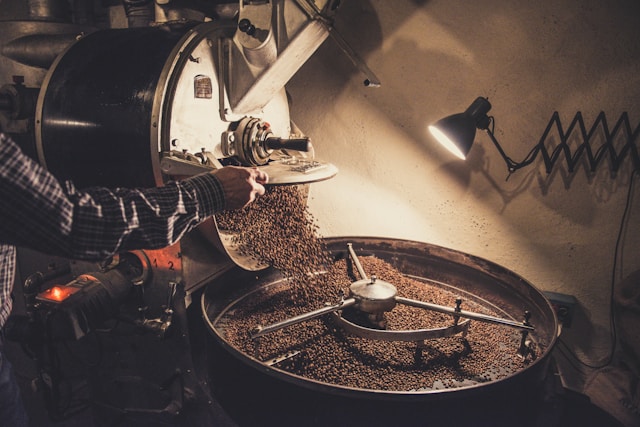
    Roasting transforms green coffee beans into the aromatic brown beans we know and love. The length of time and temperature used during roasting determine the coffee’s flavor, aroma, acidity, body, and appearance.

    Whether you’re new to coffee or looking to choose the perfect roast, this guide explains everything you need to know.

    yanapi senaud 6hr8vpjyuho unsplash (1)

    What Happens During Coffee Roasting?

    Coffee beans are roasted by heating green coffee beans at high temperatures, typically between 180°C and 240°C. The longer the beans roast, the darker they become. Light roasts preserve more of the bean’s original flavors, medium roasts offer balanced sweetness and acidity, while dark roasts develop bold, smoky flavors with lower acidity.

    Green coffee beans contain moisture, natural sugars, and organic compounds.

    As they’re heated, several changes occur:

    • Moisture evaporates.
    • Sugars begin to caramelize.
    • Natural acids change.
    • Oils move toward the surface.
    • Hundreds of aroma compounds develop.

    Around 196°C, beans reach the First Crack, producing a popping sound as steam escapes.

    If roasting continues to approximately 224°C, the beans reach the Second Crack, creating darker roasts with deeper flavors.


    Light Roast Coffee

    Light roast coffee is roasted only until shortly after the First Crack.

    Characteristics

    • Light brown color
    • No visible oil
    • Bright acidity
    • Fruity and floral notes
    • Original bean flavors remain prominent

    Best For

    • Pour Over
    • Chemex
    • AeroPress
    • Drip Coffee

    Coffee enthusiasts often choose light roast to experience the unique characteristics of beans from different growing regions.


    Medium Roast Coffee

    Medium roast is the most popular roast level because it balances acidity, sweetness, and body.

    Characteristics

    • Medium brown color
    • Balanced flavor
    • Smooth finish
    • Caramel and chocolate notes
    • Moderate acidity

    Best For

    • Drip Coffee
    • French Press
    • Espresso
    • Everyday coffee drinkers

    If you’re unsure which roast to try first, medium roast is an excellent starting point.


    Dark Roast Coffee

    Dark roast beans are roasted beyond the Second Crack.

    Characteristics

    • Dark brown to nearly black
    • Oily surface
    • Bold flavor
    • Smoky aroma
    • Low acidity
    • Heavy body

    Best For

    • Espresso
    • Milk-based drinks
    • Cappuccinos
    • Lattes

    Dark roasts emphasize roasting flavors more than the bean’s original characteristics.


    Light vs Medium vs Dark Roast

    FeatureLight RoastMedium RoastDark Roast
    ColorLight BrownMedium BrownDark Brown
    AcidityHighMediumLow
    SweetnessModerateHighLow
    BodyLightMediumFull
    FlavorFruity, FloralBalancedBold, Smoky
    OilsNoneMinimalVisible
    Best BrewingPour OverDripEspresso

    Which Roast Has the Most Caffeine?

    One of the biggest coffee myths is that dark roast contains more caffeine.

    The truth is that light and dark roasts contain very similar amounts of caffeine.

    Light roast beans are slightly denser, while dark roast beans lose more mass during roasting. The actual caffeine difference is minimal and usually not noticeable in a typical cup.


    Which Roast Is Best?

    Choose a roast based on your taste preferences.

    Choose Light Roast if you enjoy:

    • Bright acidity
    • Fruity flavors
    • Specialty coffee
    • Complex aromas

    Choose Medium Roast if you enjoy:

    • Balanced taste
    • Everyday coffee
    • Smooth sweetness
    • Versatile brewing

    Choose Dark Roast if you enjoy:

    • Strong flavor
    • Smoky notes
    • Espresso drinks
    • Rich body

    Frequently Asked Questions

    Does roasting make coffee stronger?

    Roasting changes flavor more than caffeine content. Dark roasts taste stronger because of their bold, smoky profile, not because they contain significantly more caffeine.


    Why are dark roast beans oily?

    During longer roasting, natural oils migrate to the bean’s surface, giving dark roast coffee its glossy appearance.


    Can the same coffee bean be roasted differently?

    Yes. The same coffee beans can be roasted as light, medium, or dark roasts, producing very different flavors and aromas.


    Is light roast more acidic?

    Yes. Light roast coffee generally retains more of its natural acids, resulting in a brighter and more vibrant taste.


    Final Thoughts

    Roasting is one of the most important stages in coffee production because it shapes the flavor of every cup.

    Light roasts highlight the bean’s natural character, medium roasts offer balance, and dark roasts deliver bold intensity. There is no universally “best” roast. The right choice depends on your personal taste and preferred brewing method.

    The best way to discover your favorite roast is to try each one side by side and experience how roasting transforms the same coffee bean into three distinct flavor profiles.

    Discover more coffee guides, brewing tips, and coffee culture articles at Morning Brew Co:

    https://s15.upskillrocketdm.com/morning-brew-co/

  • How to Brew Coffee at Home: A Beginner’s Guide

    How to Brew Coffee at Home: A Beginner’s Guide

    Freshly brewed coffee at home in a ceramic mug

    How to brew coffee at home is a skill that every coffee lover can master. With fresh coffee beans, quality water, and the right brewing method, you can enjoy a café-style coffee without leaving your home. Whether you prefer a bold espresso, a smooth pour-over, or a rich French press, this guide will help you brew a delicious cup every time.


    Quick Answer: How to Brew Coffee at Home

    To brew coffee at home, use freshly roasted coffee beans, grind them according to your brewing method, heat filtered water to 90 to 96°C (195 to 205°F), and maintain the correct coffee-to-water ratio. Following these simple steps ensures a flavorful, balanced, and aromatic cup of coffee.


    How to Brew Coffee at Home: What You’ll Need

    Before you begin, gather the essential tools and ingredients.

    Essential Equipment

    • Fresh coffee beans
    • Coffee grinder
    • Filtered water
    • Kettle
    • Coffee scale or measuring spoon
    • Mug or coffee cup
    • Brewing equipment

    Depending on your preference, you can use:

    • French Press
    • Pour Over (V60)
    • AeroPress
    • Espresso Machine
    • Drip Coffee Maker

    Fresh ingredients and clean equipment make a noticeable difference in the final taste.


    How to Brew Coffee at Home with the Right Coffee Beans

    The quality of your coffee starts with the beans.

    For the best results:

    • Buy freshly roasted whole beans.
    • Store beans in an airtight container away from heat and light.
    • Grind the beans just before brewing.

    Arabica beans are known for their smooth and sweet flavor, while Robusta beans provide a stronger taste and higher caffeine content. You can also choose blends to enjoy the best of both varieties.


    Select the Right Grind Size

    Different brewing methods require different grind sizes.

    Brewing MethodGrind Size
    EspressoFine
    Pour OverMedium
    Drip Coffee MakerMedium
    French PressCoarse
    Cold BrewExtra Coarse

    Using the correct grind size improves extraction and creates a better-tasting cup.


    Use the Correct Coffee-to-Water Ratio

    One of the biggest secrets to great coffee is consistency.

    A common recommendation is:

    • 1 gram of coffee for every 15 to 18 grams of water

    For one standard mug, use approximately:

    • 15 to 18 grams of coffee
    • 250 ml of water

    Adjust the ratio depending on whether you prefer stronger or lighter coffee.


    Heat Water to the Ideal Temperature

    Water temperature has a significant impact on flavor.

    The ideal brewing temperature is:

    90 to 96°C (195 to 205°F)

    Water that is too hot can create bitterness, while cooler water may lead to under-extraction and a weak cup.

    If you boil water, allow it to rest for about 30 seconds before pouring it over the coffee grounds.


    Brewing Methods Explained

    How to Brew Coffee at Home with a French Press

    French Press brewing creates a rich and full-bodied cup.

    Steps:

    1. Add coarse coffee grounds.
    2. Pour hot water evenly.
    3. Stir gently.
    4. Let the coffee steep for four minutes.
    5. Press the plunger slowly.
    6. Serve immediately.

    How to Brew Coffee at Home with a Pour Over

    Pour-over coffee produces a clean and balanced flavor.

    Steps:

    1. Place a paper filter in the dripper.
    2. Rinse the filter with hot water.
    3. Add medium-ground coffee.
    4. Slowly pour water in circular motions.
    5. Allow the coffee to drip naturally.

    How to Brew Coffee at Home with an Espresso Machine

    Espresso delivers a concentrated and bold coffee experience.

    Steps:

    1. Grind coffee finely.
    2. Fill and tamp the portafilter evenly.
    3. Lock it into the machine.
    4. Brew for about 25 to 30 seconds.

    How to Brew Coffee at Home with an AeroPress

    The AeroPress is quick, portable, and easy to use.

    It produces smooth coffee with low bitterness and is ideal for beginners and travelers.


    How to Brew Coffee at Home with a Drip Coffee Maker

    A drip coffee maker is convenient for brewing multiple cups.

    Simply add water, place the coffee grounds in the filter basket, and start the brewing cycle.


    Common Coffee Brewing Mistakes

    Avoid these mistakes for better results.

    • Using stale coffee beans
    • Grinding coffee too early
    • Incorrect grind size
    • Using boiling water directly
    • Guessing measurements instead of weighing coffee
    • Neglecting to clean brewing equipment

    Even small improvements can dramatically enhance the flavor of your coffee.


    Tips for Better Coffee Every Morning

    Improve your coffee routine with these simple tips.

    • Buy freshly roasted beans.
    • Grind coffee immediately before brewing.
    • Use filtered water.
    • Store coffee in an airtight container.
    • Keep your brewing equipment clean.
    • Experiment with different beans and brewing methods.

    Consistency is the key to making excellent coffee at home.


    Frequently Asked Questions

    What is the easiest way to brew coffee at home?

    A French Press or drip coffee maker is one of the easiest methods for beginners because both require minimal equipment and produce consistently good coffee.


    What is the best coffee-to-water ratio?

    A ratio of 1:15 to 1:18 is recommended for most brewing methods. You can adjust it to suit your personal taste.


    Should I grind coffee before brewing?

    Yes. Grinding coffee immediately before brewing preserves the aroma and flavor, resulting in a fresher cup.


    Can I brew coffee without a coffee machine?

    Absolutely. Methods such as the French Press, AeroPress, and Pour Over require little equipment and can produce excellent coffee without an espresso machine.


    Final Thoughts

    Learning how to brew coffee at home is a rewarding experience that allows you to enjoy fresh, flavorful coffee whenever you like. By selecting quality beans, using the correct grind size, maintaining the ideal coffee-to-water ratio, and choosing the right brewing method, you can create café-quality coffee in your own kitchen.

    Experiment with different brewing techniques, coffee beans, and recipes until you discover the cup that perfectly matches your taste. Every brew is an opportunity to improve your skills and enjoy the rich world of coffee.

  • Arabica vs Robusta: Which Coffee Bean Is Right for You?

    Arabica vs Robusta: Which Coffee Bean Is Right for You?

    If you’ve ever wondered about the difference between Arabica vs Robusta coffee beans, you’re not alone. These are the two most popular coffee varieties in the world, and each offers a unique flavor, aroma, and caffeine level. Understanding their differences can help you choose the perfect coffee for your taste and brewing style.


    Close-up of Arabica vs Robusta coffee beans

    Arabica vs Robusta: Quick Comparison

    Arabica and Robusta are the two main types of coffee beans.

    • Arabica has a smooth, sweet, and fruity flavor with lower caffeine.
    • Robusta has a stronger, bolder, and more bitter taste with higher caffeine.

    Arabica is commonly used in specialty coffee, while Robusta is often found in espresso blends and instant coffee.


    What Is Arabica Coffee?

    Arabica coffee comes from the Coffea arabica plant and accounts for approximately 60 to 70% of the world’s coffee production.

    Arabica beans are typically grown at higher altitudes with cooler temperatures. These conditions allow the beans to mature slowly, creating complex flavors and pleasant acidity.

    Arabica Coffee Characteristics

    • Smooth and balanced flavor
    • Fruity and floral notes
    • Lower caffeine content
    • Higher acidity
    • Premium quality
    • Widely used in specialty cafés

    Popular Arabica-producing countries include Brazil, Colombia, Ethiopia, Guatemala, and Costa Rica.


    What Is Robusta Coffee?

    Robusta coffee comes from the Coffea canephora plant.

    It grows well in warmer climates at lower elevations and is naturally more resistant to pests and diseases.

    Robusta beans contain significantly more caffeine, giving them a stronger and more intense flavor.

    Robusta Coffee Characteristics

    • Bold and earthy taste
    • Strong bitterness
    • Higher caffeine content
    • Lower acidity
    • Thick crema for espresso
    • Common in instant coffee and espresso blends

    Vietnam is the world’s largest producer of Robusta coffee.


    Arabica vs Robusta: Key Differences

    FeatureArabicaRobusta
    FlavorSweet, smooth, fruityStrong, bold, bitter
    CaffeineLowerHigher
    AcidityHighLow
    AromaFloral and fruityEarthy and nutty
    Growing AltitudeHighLow
    Disease ResistanceLowerHigher
    PriceUsually higherUsually lower
    Common UseSpecialty coffeeEspresso blends and instant coffee

    Arabica vs Robusta: Caffeine Content

    Robusta coffee contains almost twice as much caffeine as Arabica.

    The higher caffeine level gives Robusta its stronger flavor and also helps protect the coffee plant from insects and pests.

    If you want a stronger energy boost, Robusta is often the better choice.


    Which Coffee Bean Tastes Better?

    Taste is subjective, but many coffee lovers prefer Arabica because of its smooth, sweet, and balanced flavor.

    Arabica often features tasting notes such as:

    • Chocolate
    • Caramel
    • Citrus
    • Berries
    • Floral aromas

    Robusta is ideal for people who enjoy a stronger, richer coffee with less acidity.


    Which Coffee Bean Is Better for Espresso?

    Both coffee beans can make excellent espresso.

    • Arabica espresso offers a smoother, sweeter flavor.
    • Robusta espresso creates a thicker crema and a stronger taste.

    Many coffee roasters blend Arabica and Robusta to achieve a balance of sweetness, body, and crema.


    Which Coffee Bean Should You Choose?

    Choose Arabica if you:

    • Prefer smooth and mild coffee
    • Enjoy fruity or floral flavors
    • Drink black coffee
    • Appreciate specialty coffee

    Choose Robusta if you:

    • Like strong and bold coffee
    • Want more caffeine
    • Prefer espresso with thick crema
    • Enjoy milk-based coffee drinks

    Frequently Asked Questions

    Is Arabica better than Robusta?

    Neither is objectively better. Arabica is valued for its smooth and complex flavor, while Robusta is appreciated for its strength, higher caffeine content, and rich crema.


    Why is Arabica more expensive?

    Arabica requires specific growing conditions, higher altitudes, and more careful cultivation. It is also more vulnerable to pests and diseases, making production more costly.


    Can Arabica and Robusta Be Mixed?

    Yes. Many coffee brands blend Arabica and Robusta beans to create a balanced coffee with smooth flavor, extra body, and a creamy espresso finish.


    Which Coffee Bean Is Healthier?

    Both Arabica and Robusta contain antioxidants and beneficial plant compounds. The healthier choice depends more on how the coffee is prepared and what ingredients are added.


    Final Thoughts

    The debate between Arabica vs Robusta comes down to personal preference. Arabica is known for its smooth, aromatic, and flavorful profile, making it a favorite among specialty coffee enthusiasts. Robusta stands out for its bold taste, higher caffeine content, and rich crema, making it popular in espresso blends and instant coffee.

    Trying both varieties is the best way to discover which coffee matches your taste. Whether you enjoy a delicate cup of Arabica or the bold intensity of Robusta, understanding these coffee beans helps you make a more informed choice every time you brew.

    Explore different coffee beans, experiment with brewing methods, and enjoy the unique flavors each variety has to offer.

  • From Farm to Cup: The Journey of Coffee Beans

    From Farm to Cup: The Journey of Coffee Beans

    Smiling coffee farmer harvesting ripe coffee cherries for premium coffee beans

    How coffee beans are grown is a fascinating process that begins on coffee farms in tropical regions around the world. From planting and nurturing coffee trees to harvesting ripe cherries, processing the beans, roasting, and brewing, every step influences the flavor and quality of your coffee. In this guide, you’ll discover the complete journey of coffee beans from farm to cup.

    Whether you enjoy espresso, cappuccino, latte, or black coffee, it all starts on a coffee farm.


    How Coffee Beans Are Grown: The Complete Process

    Coffee beans go through several important stages:

    1. Coffee trees are planted and nurtured.
    2. Ripe coffee cherries are harvested.
    3. The cherries are processed to remove the fruit.
    4. The beans are dried and sorted.
    5. Green coffee beans are roasted.
    6. The roasted beans are ground and brewed into coffee.

    Each stage plays a vital role in determining the flavor, aroma, and overall quality of the final cup.


    1. Growing Coffee Trees

    Coffee begins as a small seed planted in fertile soil. Coffee trees thrive in tropical regions with moderate temperatures, consistent rainfall, and nutrient-rich volcanic soil. Countries such as Brazil, Colombia, Ethiopia, Vietnam, and Costa Rica are among the world’s leading coffee producers.

    Most specialty coffee is grown at higher elevations, where cooler temperatures allow coffee cherries to mature slowly. This slower growth develops more complex flavors.

    A coffee tree typically takes three to four years before producing its first harvest.


    2. Flowering and Coffee Cherries

    When coffee trees bloom, they produce beautiful white flowers with a pleasant fragrance. After pollination, these flowers develop into green coffee cherries.

    Over several months, the cherries gradually ripen and change color from green to bright red, indicating they are ready for harvest.

    Only fully ripe cherries are selected for premium-quality coffee because they deliver the best flavor.


    3. Harvesting Coffee Cherries

    Harvesting is one of the most labor-intensive stages of coffee production.

    Hand Picking

    Many specialty coffee farms carefully hand-pick only the ripe cherries. Although this method requires more time and effort, it produces higher-quality coffee.

    Machine Harvesting

    Large commercial farms often use harvesting machines that collect all cherries at once. This method is faster but may include both ripe and unripe fruit.

    The harvesting method directly influences the consistency and taste of the coffee.


    4.How Coffee Beans Are Processed

    After harvesting, the fruit surrounding each coffee bean must be removed.

    Washed Process

    The fruit is removed before drying. This method produces a clean, bright, and balanced flavor.

    Natural Process

    The cherries are dried with the fruit still attached. This often creates sweeter, fruitier flavor notes.

    Honey Process

    Some fruit remains on the bean while drying, creating a smooth balance between sweetness and acidity.

    Proper processing helps preserve the bean’s natural characteristics.


    5. How Coffee Beans Are Dried and Sorted

    Once processed, the beans are carefully dried until they reach the correct moisture level.

    After drying, coffee beans are sorted according to size, density, and quality. Defective beans are removed to ensure consistency.

    The remaining beans are known as green coffee beans, ready to be shipped to coffee roasters around the world.


    6. How Coffee Beans Are Roasted

    Roasting transforms green coffee beans into the aromatic beans we recognize.

    Different roasting levels create different flavor profiles:

    • Light Roast: Bright acidity with fruity and floral notes.
    • Medium Roast: Balanced sweetness and acidity.
    • Dark Roast: Bold flavor with chocolate, caramel, and smoky notes.

    Roasting is both a science and an art, requiring careful control of time and temperature.


    7. Grinding and Brewing

    Freshly roasted beans are ground according to the brewing method.

    Different brewing methods require different grind sizes.

    • Espresso: Fine grind
    • Pour Over: Medium grind
    • French Press: Coarse grind
    • Cold Brew: Extra coarse grind

    Using the correct grind size helps extract the best flavor from the coffee.


    8. Enjoying Your Perfect Cup

    Finally, the brewed coffee is ready to enjoy.

    Whether you prefer an espresso, cappuccino, latte, mocha, or black coffee, every drink begins with months of careful farming, harvesting, processing, and roasting.

    The journey from farm to cup represents dedication, craftsmanship, and passion at every stage.


    Why Knowing How Coffee Beans Are Grown Matters

    Coffee farmers are the foundation of the coffee industry.

    They work year-round to:

    • Plant healthy coffee trees
    • Protect crops from pests and disease
    • Harvest only ripe cherries
    • Improve coffee quality
    • Support sustainable farming practices

    Choosing coffee from ethical and sustainable sources helps support farming communities while protecting the environment.


    Frequently Asked Questions

    How long does it take for a coffee tree to produce beans?

    Most coffee trees begin producing coffee cherries after three to four years and can remain productive for decades with proper care.


    What is a coffee bean?

    A coffee bean is actually the seed found inside a coffee cherry. After processing, drying, and roasting, it becomes the bean used to brew coffee.


    Which country produces the most coffee?

    Brazil is the world’s largest coffee producer, followed by Vietnam and Colombia.


    Why are coffee cherries picked by hand?

    Hand-picking allows farmers to select only ripe cherries, producing higher-quality coffee with better flavor and consistency.


    Does the farming process affect coffee taste?

    Yes. Climate, soil, altitude, harvesting, processing, and roasting all influence the aroma, acidity, sweetness, body, and flavor of the final cup.


    Final Thoughts

    Every cup of coffee tells a remarkable story. From nurturing young coffee trees to harvesting ripe cherries, processing the beans, roasting them to perfection, and finally brewing your favorite drink, each step contributes to the unique flavors you enjoy.

    The next time you take a sip of coffee, remember the dedication of the farmers whose expertise and hard work made that moment possible.

    Enjoy every cup with a deeper appreciation for the journey from farm to cup.

  • Espresso vs Cappuccino vs Latte: What’s the Difference?

    A Closer Look at Three Classic Coffee Styles

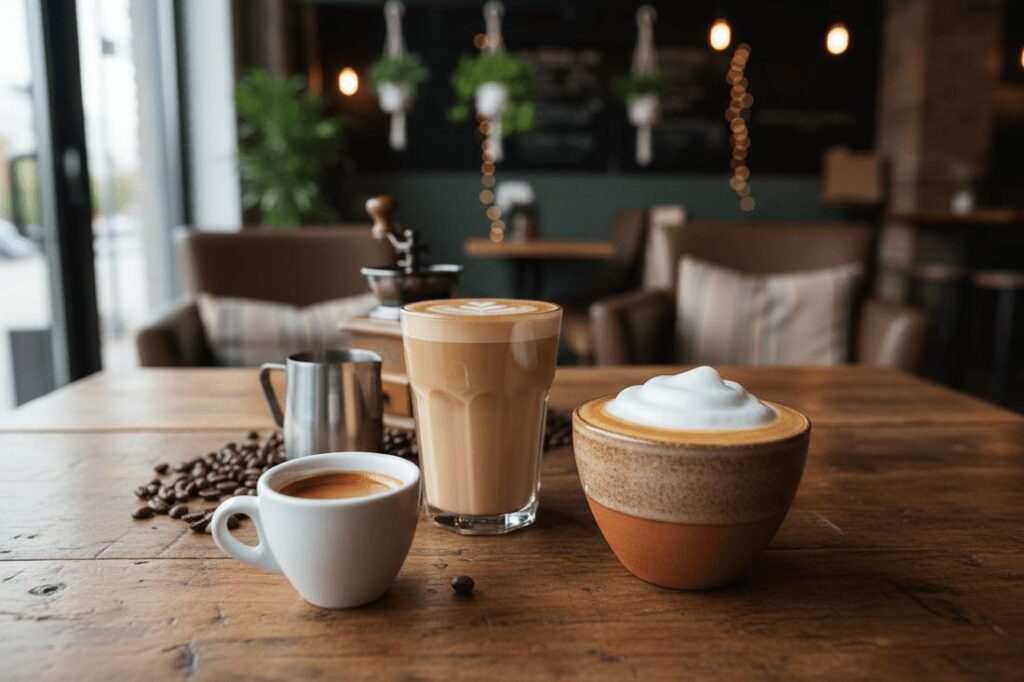
    Espresso vs cappuccino vs latte served in ceramic coffee cups

    Coffee lovers often come across popular drinks like espresso, cappuccino, and latte on café menus. While they all begin with espresso, each beverage offers a unique flavor, texture, and coffee experience. Understanding the difference between espresso vs cappuccino vs latte can help you choose the perfect drink based on your personal preferences.

    What Is Espresso in Espresso vs Cappuccino vs Latte?

    Espresso is the foundation of many coffee beverages. It is made by forcing hot water through finely ground coffee under high pressure. The result is a small, concentrated shot with a rich aroma and a golden layer of crema on top.

    Characteristics of espresso:

    • Strong and bold flavor
    • Served in small portions
    • Rich crema
    • High coffee concentration

    Espresso is perfect for people who enjoy an intense coffee flavor without milk.


    What Is a Cappuccino in Espresso vs Cappuccino vs Latte?

    A cappuccino combines espresso with steamed milk and a thick layer of milk foam. The equal balance of coffee, milk, and foam creates a creamy texture while preserving the bold flavor of espresso.

    A traditional cappuccino consists of:

    • One shot of espresso
    • Steamed milk
    • Thick milk foam

    The foam gives cappuccino its signature light and airy texture, making it a favorite among coffee enthusiasts.


    What Is a Latte in Espresso vs Cappuccino vs Latte?

    A latte is made with espresso and a larger amount of steamed milk, finished with a thin layer of milk foam. Because it contains more milk than a cappuccino, it has a smoother and creamier taste.

    A typical latte includes:

    • One or two shots of espresso
    • Plenty of steamed milk
    • Thin layer of milk foam

    Lattes are ideal for those who prefer a mild coffee flavor.


    The Main Differences

    Although these drinks share the same espresso base, they differ in milk content and texture.

    CoffeeEspressoSteamed MilkFoamFlavor
    Espresso✔✖✖Strong & Bold
    Cappuccino✔MediumThickRich & Creamy
    Latte✔HighThinSmooth & Mild

    Which Coffee Should You Choose?

    Your choice depends on your taste.

    Choose Espresso if you enjoy:

    • Strong coffee
    • Intense aroma
    • Pure coffee flavor

    Choose Cappuccino if you like:

    • Balanced coffee and milk
    • Creamy foam
    • Traditional café experience

    Choose Latte if you prefer:

    • Smooth coffee
    • More milk
    • Mild flavor

    Tips for Enjoying Coffee

    To get the best experience:

    • Drink coffee soon after it is prepared.
    • Pair espresso with dark chocolate.
    • Enjoy cappuccino with a croissant.
    • Pair a latte with cookies or pastries.

    Using freshly roasted beans and quality milk will always improve the flavor.


    Final Thoughts

    Understanding the difference between these beverages makes it easier to order your favorite coffee with confidence. Whether you enjoy the bold intensity of espresso, the balanced richness of cappuccino, or the smooth creaminess of a latte, each drink offers a unique coffee experience.

    At Morning Brew Co., every beverage is handcrafted using premium coffee beans and carefully prepared by our expert baristas to deliver exceptional flavor in every cup.

  • The Art of Brewing the Perfect Cup of Coffee

    Espresso preparation for a coffee brewing guide

    The Art of Brewing the Perfect Cup of Coffee

    A coffee brewing guide can help anyone make café quality coffee at home. Brewing great coffee is more than simply adding hot water to ground beans. The quality of your ingredients, the brewing method, and the techniques you use all contribute to the flavor and aroma of every cup. Whether you’re just getting started or looking to improve your skills, this coffee brewing guide will help you create delicious coffee with confidence.

    Coffee Brewing Guide: Start with Fresh Coffee Beans

    The quality of your coffee begins with the beans. Freshly roasted beans contain rich aromas and natural oils that produce a balanced and flavorful cup. Buying whole beans and grinding them just before brewing preserves these flavors much better than using pre-ground coffee.

    Choose beans from trusted roasters and store them in an airtight container away from heat, sunlight, and moisture. Proper storage helps maintain freshness and ensures a better brewing experience.

    Coffee Brewing Guide: Choose the Right Brewing Method

    Different brewing methods create different flavors.

    • Pour Over: Clean, bright, and balanced.
    • French Press: Rich, full-bodied, and bold.
    • Espresso Machine: Strong and concentrated.
    • Aeropress: Smooth, versatile, and easy to use.

    Experimenting with different brewing methods helps you discover which style best matches your taste preferences.

    Coffee Brewing Guide: Use the Correct Water Temperature

    Water plays a significant role in coffee extraction. Water that is too hot can make coffee taste bitter, while water that is too cool may produce a weak and sour flavor.

    The ideal brewing temperature is between 90°C and 96°C, allowing the coffee grounds to extract evenly without overpowering the natural flavors.

    Coffee Brewing Guide: Find the Right Coffee-to-Water Ratio

    A balanced ratio creates consistency. A common recommendation is:

    • 15 grams of coffee
    • 250 ml of water

    Adjust this slightly depending on whether you prefer a stronger or milder cup.

    Grind Size Matters

    The grind should match the brewing method.

    • Fine: Espresso
    • Medium: Pour Over
    • Coarse: French Press

    Using the correct grind size improves extraction and enhances flavor.

    Keep Your Equipment Clean

    Coffee oils build up over time and can affect taste. Regularly cleaning your grinder, brewer, and coffee machine keeps every cup fresh and prevents unwanted bitterness.

    Final Thoughts on This Coffee Brewing Guide

    Brewing coffee is not just about the final drink. It is also about enjoying the process, appreciating the aroma, and taking a moment to relax. Whether you brew coffee at home or visit your favorite café, each cup tells a story of craftsmanship and passion.

    At Morning Brew Co., we believe that exceptional coffee begins with quality ingredients, careful preparation, and a welcoming atmosphere. Every cup is crafted with precision so you can enjoy the perfect coffee experience every time.

  • 7 Ps of Marketing Explained with Examples (2026 Guide)

    What Are the 7 Ps of Marketing?

    7 Ps of Marketing marketing mix infographic

    The 7 Ps of Marketing are a marketing framework that helps businesses develop effective strategies to attract customers, increase sales, and build long-term relationships. The seven elements are Product, Price, Place, Promotion, People, Process, and Physical Evidence.

    Originally, marketing focused on the 4 Ps: Product, Price, Place, and Promotion. As service-based industries grew, three additional elements, People, Process, and Physical Evidence, were added to better reflect customer experience.

    Whether you own a startup, manage a global brand, or work in digital marketing, understanding the 7 Ps can help you create better marketing campaigns and deliver more value to your customers.


    Quick Answer

    The 7 Ps of Marketing are Product, Price, Place, Promotion, People, Process, and Physical Evidence. Together, they help businesses create customer-focused marketing strategies, improve brand positioning, and increase sales.


    Table of Contents

    • What Are the 7 Ps of Marketing?
    • Why Are the 7 Ps Important?
    • The 7 Ps of Marketing Explained
    • Real-Life Example of the 7 Ps
    • Benefits of Using the 7 Ps
    • Common Mistakes to Avoid
    • Frequently Asked Questions
    • Conclusion

    Why Are the 7 Ps of Marketing Important?

    The 7 Ps help businesses understand every aspect of delivering value to customers. Instead of focusing only on advertising, this framework considers pricing, customer service, distribution, and the overall customer experience.

    Businesses that apply the 7 Ps effectively can:

    • Build stronger customer relationships
    • Improve brand reputation
    • Increase customer satisfaction
    • Differentiate themselves from competitors
    • Create consistent marketing strategies
    • Improve customer retention

    The 7 Ps of Marketing Explained

    1. Product

    A product is the item or service a business offers to satisfy customer needs. A successful product solves a problem, provides value, and meets customer expectations.

    When developing a product, businesses should consider:

    • Features
    • Quality
    • Design
    • Branding
    • Packaging
    • Warranty
    • Customer benefits

    Example

    Apple designs the iPhone with premium materials, advanced technology, and seamless integration with other Apple devices. Customers buy more than just a phone. They buy a complete ecosystem.


    2. Price

    Price refers to the amount customers pay for a product or service. Pricing influences customer perception and purchasing decisions.

    Common pricing strategies include:

    • Premium pricing
    • Competitive pricing
    • Penetration pricing
    • Discount pricing
    • Value-based pricing

    Example

    Netflix offers multiple subscription plans at different price points, allowing customers to choose according to their budget and streaming needs.


    3. Place

    Place refers to where and how customers can purchase a product. The goal is to make products available where customers prefer to shop.

    Distribution channels include:

    • Physical stores
    • Company websites
    • E-commerce marketplaces
    • Mobile apps
    • Retail partners

    Example

    Nike sells products through its official website, branded stores, online marketplaces, and authorized retailers worldwide.


    4. Promotion

    Promotion includes every activity used to communicate with potential customers and encourage purchases.

    Promotion methods include:

    • Search Engine Optimization (SEO)
    • Social media marketing
    • Google Ads
    • Email marketing
    • Content marketing
    • Influencer marketing
    • Television and radio advertising

    Example

    Coca-Cola promotes its products through television commercials, social media campaigns, sponsorships, and seasonal advertisements to maintain global brand awareness.


    5. People

    People include everyone involved in delivering the customer experience, such as employees, sales representatives, customer support teams, and management.

    Well-trained employees improve customer satisfaction and strengthen brand loyalty.

    Example

    Disney invests heavily in employee training to ensure every guest receives friendly, consistent, and memorable service.


    6. Process

    Process refers to the systems and procedures used to deliver products or services efficiently.

    A smooth process reduces customer frustration and improves satisfaction.

    Examples include:

    • Online ordering
    • Payment systems
    • Delivery tracking
    • Customer support
    • Return policies

    Example

    Amazon provides a streamlined shopping experience with one-click purchasing, fast shipping, and easy returns.


    7. Physical Evidence

    Physical evidence includes the tangible elements that reassure customers about a business’s quality and professionalism.

    Examples include:

    • Website design
    • Store appearance
    • Product packaging
    • Customer reviews
    • Business cards
    • Brand logo
    • Employee uniforms

    Example

    Starbucks creates a premium customer experience through consistent store design, branded packaging, and welcoming interiors across its locations.


    Real-Life Example of the 7 Ps of Marketing

    Let’s see how Apple applies the 7 Ps.

    Marketing ElementApple Example
    ProductiPhone, MacBook, Apple Watch
    PricePremium pricing strategy
    PlaceApple Stores, website, authorized retailers
    PromotionProduct launch events, digital advertising, social media
    PeopleApple Store employees and Genius Bar experts
    ProcessSimple online purchasing and device setup
    Physical EvidencePremium packaging, minimalist stores, iconic branding

    This integrated approach helps Apple maintain a strong brand image and loyal customer base.


    Benefits of Using the 7 Ps of Marketing

    Businesses that use the 7 Ps framework can enjoy several advantages:

    • Better understanding of customer needs
    • Stronger brand positioning
    • Increased sales opportunities
    • Improved customer satisfaction
    • More effective marketing campaigns
    • Higher customer loyalty
    • Better decision-making across departments

    The framework encourages businesses to think beyond advertising and focus on delivering a complete customer experience.


    Common Mistakes to Avoid

    Many businesses fail to maximize the 7 Ps because of common mistakes such as:

    • Ignoring customer feedback
    • Setting prices that do not reflect product value
    • Choosing the wrong distribution channels
    • Focusing only on advertising
    • Providing poor customer service
    • Complicated purchasing processes
    • Weak branding and inconsistent messaging

    Regularly reviewing each element helps businesses stay competitive in changing markets.


    Frequently Asked Questions (FAQs)

    What are the 7 Ps of Marketing?

    The 7 Ps of Marketing are Product, Price, Place, Promotion, People, Process, and Physical Evidence. Together, they form a framework for creating effective marketing strategies.

    Why are the 7 Ps important?

    They help businesses deliver value, improve customer satisfaction, strengthen branding, and increase sales by considering every aspect of the customer experience.

    What is the difference between the 4 Ps and the 7 Ps?

    The original 4 Ps include Product, Price, Place, and Promotion. The 7 Ps add People, Process, and Physical Evidence to address the needs of service-based businesses.

    Are the 7 Ps still relevant today?

    Yes. The 7 Ps remain highly relevant in modern marketing, especially in digital marketing, e-commerce, and service industries where customer experience plays a crucial role.

    Which of the 7 Ps is the most important?

    All seven elements work together. However, the importance of each element depends on the business model and target audience.

    How do startups use the 7 Ps?

    Startups use the framework to identify their target market, set competitive prices, choose the right sales channels, build brand awareness, and create a positive customer experience.

    Can digital marketing use the 7 Ps?

    Absolutely. Digital marketing applies the 7 Ps through online products and services, digital pricing strategies, websites, social media promotion, customer support, automated processes, and user-friendly website design.

    What is Physical Evidence in marketing?

    Physical Evidence refers to the visible and tangible elements that build customer trust, such as packaging, websites, store design, branding, and customer reviews.

    What is an example of the 7 Ps?

    A coffee shop may offer high-quality coffee (Product), charge premium prices (Price), operate in busy locations (Place), advertise on social media (Promotion), train friendly staff (People), provide quick service (Process), and create a cozy café atmosphere (Physical Evidence).

    Who developed the 7 Ps of Marketing?

    The original 4 Ps were introduced by E. Jerome McCarthy. Later, marketing experts Booms and Bitner expanded the model by adding People, Process, and Physical Evidence to better suit service marketing.


    Conclusion

    The 7 Ps of Marketing provide a practical framework for building successful marketing strategies. Instead of focusing only on selling products, businesses can use this model to improve every stage of the customer journey, from product development and pricing to customer service and brand experience.

    Whether you are a small business owner, marketing student, or digital marketer, mastering the 7 Ps can help you create stronger campaigns, increase customer satisfaction, and achieve sustainable business growth. Review each element regularly and adapt your strategy as customer expectations and market conditions evolve.

  • Was sind die Highlights von Oscarspin Casinos Promotions?

    Das oscarspincasino-bet.com bietet eine Vielzahl von spannenden Promotions, die sowohl neue als auch bestehende Spieler ansprechen. Die Promotionen zeichnen sich durch ihre Vielfalt und Attraktivität aus und können einen erheblichen Mehrwert für die Spieler bieten. In dieser Analyse werden die Highlights der Promotions des Oscarspin Casinos skizziert.

    Betriebsanreize für neue Spieler

    Ein herausragendes Merkmal des Oscarspin Casinos ist der großzügige Willkommensbonus, der neuen Spielern zur Verfügung steht. Typischerweise umfasst dieser Bonus sowohl Einzahlungsboni als auch Freispiele für ausgewählte Spiele.

    Der Willkommensbonus wird in der Regel in mehreren Stufen angeboten, was bedeutet, dass Spieler bei ihren ersten Einzahlungen von verschiedenen Vorteilen profitieren können. Darüber hinaus sind die Bedingungen für die Umsatzanforderungen meist transparent und fair, was es Spielern erleichtert, ihre Gewinne abzuheben.

    Regelmäßige Promotions und Boni

    Das Oscarspin Casino überzeugt durch regelmäßige Promotions, die darauf abzielen, die Spielerbindung zu fördern. Diese Aktivitäten können spezielle Aktionstage, Cashbacks, Freispiele für ausgewählte Spiele oder treue Programme umfassen.

    • Wöchentliche Reload-Boni
    • Freispielaktionen für neue Slots
    • Cashback für verlorene Einsätze
    • Treuepunkte, die in Echtgeld umgewandelt werden können

    Durch diese Promotions haben Spieler die Möglichkeit, regelmäßig von zusätzlichen Belohnungen zu profitieren und ihre Spielzeit zu verlängern.

    VIP-Programme und langfristige Spielerbelohnungen

    Ein zusätzliches Highlight sind die VIP-Programme des Oscarspin Casinos, die den Spielern exklusive Vorteile bieten. Mitglieder des VIP-Programms haben oft Zugang zu personalisierten Angeboten, höheren Einzahlungslimits und einem dedizierten Kundenservice.

    VIP-Stufen Vorteile Exklusive Aktionen
    Bronze Basis-Angebote, Cashback Wöchentliche Promotionen
    Silber Höhere Limits, Freispiele Monatliche Exklusivaktionen
    Gold Personalisierte Angebote Einladungen zu exklusiven Events

    Fazit: Vielfältige Möglichkeiten für alle Spieler

    Insgesamt bietet das Oscarspin Casino eine Vielzahl von Promotionen, die sowohl neuen als auch erfahrenen Spielern zugutekommen. Die Kombination aus attraktiven Willkommensboni, regelmäßigen Aktionen und einem ansprechenden VIP-Programm sorgt dafür, dass jeder Spieler die Chance hat, seine Spielerfahrung zu maximieren.

    Häufig gestellte Fragen

    1. Wie funktioniert der Willkommensbonus? Neuer Spieler erhalten einen Bonus auf ihre ersten Einzahlungen sowie Freispiele.
    2. Gibt es regelmäßige Promotions? Ja, das Casino bietet wöchentliche Reload-Boni und spezielle Aktionen an.
    3. Welche Vorteile hat das VIP-Programm? VIP-Spieler profitieren von höheren Limits, personalisierten Angeboten und exklusiven Events.

  • Breaking Down Rich Casino’s Security Measures

    The security measures implemented by rich online casino are designed to create a safe gambling environment for players. With cyber threats becoming increasingly sophisticated, the casino employs a multi-layered approach to protect user data and ensure fair play. This article will break down the security protocols that make Rich Casino a reliable choice for online gamblers.

    Licensing and Regulation

    Rich Casino operates under strict regulations, holding licenses from recognized gaming authorities. This ensures that the platform adheres to legal standards and provides a level of trust for players. The presence of a verified license indicates that the casino is committed to fair practices and pays attention to responsible gaming.

    Players can verify the casino’s licensing on their website, which includes details about the regulatory bodies that oversee its operations. This transparency is essential in building player confidence.

    Data Encryption Technology

    The use of advanced encryption technology is a cornerstone of Rich Casino’s security measures. By employing SSL (Secure Socket Layer) encryption, the platform protects sensitive information such as personal and financial details from unauthorized access.

    This encryption ensures that any data transmitted between players and the casino remains private. Additionally, regular security audits help verify that the encryption methods deployed are up to date and effective against emerging threats.

    Fair Play and Random Number Generators

    To ensure a fair gaming experience, Rich Casino utilizes Random Number Generators (RNGs) for its games. This technology guarantees that all game outcomes are unpredictable and not subject to manipulation. Regular testing by third-party auditors further reinforces the integrity of the gaming processes.

    • Third-party audits of games
    • Certified RNGs for action transparency
    • Player dispute resolution mechanisms

    Responsible Gaming Initiatives

    Rich Casino promotes responsible gaming through measures that help players manage their gambling habits. The platform offers features such as self-exclusion, deposit limits, and links to gambling assistance resources. These initiatives are critical in protecting vulnerable players and promoting safe gambling practices.

    Security Feature Description Benefit to Players
    SSL Encryption Protects sensitive data Ensures personal information is secure
    Licensing Regulated by gaming authorities Increases trust and credibility
    RNG Technology Random game outcomes Guarantees fairness in games

    Frequently Asked Questions

    • What security measures does Rich Casino have in place? The casino employs SSL encryption, is licensed by authoritative regulatory bodies, and uses RNG technology for fair gameplay.
    • Is my personal information safe at Rich Casino? Yes, Rich Casino utilizes advanced encryption technology to protect all personal and financial information.
    • What responsible gaming features are offered? Players can set deposit limits, self-exclude, and access resources for gambling help through the platform.