What Are the 7 Ps of Marketing?
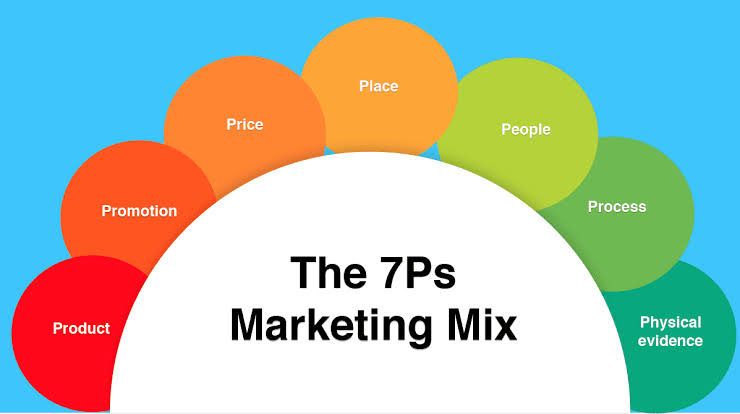
The 7 Ps of Marketing are a marketing framework that helps businesses develop effective strategies to attract customers, increase sales, and build long-term relationships. The seven elements are Product, Price, Place, Promotion, People, Process, and Physical Evidence.
Originally, marketing focused on the 4 Ps: Product, Price, Place, and Promotion. As service-based industries grew, three additional elements, People, Process, and Physical Evidence, were added to better reflect customer experience.
Whether you own a startup, manage a global brand, or work in digital marketing, understanding the 7 Ps can help you create better marketing campaigns and deliver more value to your customers.
Quick Answer
The 7 Ps of Marketing are Product, Price, Place, Promotion, People, Process, and Physical Evidence. Together, they help businesses create customer-focused marketing strategies, improve brand positioning, and increase sales.
Table of Contents
- What Are the 7 Ps of Marketing?
- Why Are the 7 Ps Important?
- The 7 Ps of Marketing Explained
- Real-Life Example of the 7 Ps
- Benefits of Using the 7 Ps
- Common Mistakes to Avoid
- Frequently Asked Questions
- Conclusion
Why Are the 7 Ps of Marketing Important?
The 7 Ps help businesses understand every aspect of delivering value to customers. Instead of focusing only on advertising, this framework considers pricing, customer service, distribution, and the overall customer experience.
Businesses that apply the 7 Ps effectively can:
- Build stronger customer relationships
- Improve brand reputation
- Increase customer satisfaction
- Differentiate themselves from competitors
- Create consistent marketing strategies
- Improve customer retention
The 7 Ps of Marketing Explained
1. Product
A product is the item or service a business offers to satisfy customer needs. A successful product solves a problem, provides value, and meets customer expectations.
When developing a product, businesses should consider:
- Features
- Quality
- Design
- Branding
- Packaging
- Warranty
- Customer benefits
Example
Apple designs the iPhone with premium materials, advanced technology, and seamless integration with other Apple devices. Customers buy more than just a phone. They buy a complete ecosystem.
2. Price
Price refers to the amount customers pay for a product or service. Pricing influences customer perception and purchasing decisions.
Common pricing strategies include:
- Premium pricing
- Competitive pricing
- Penetration pricing
- Discount pricing
- Value-based pricing
Example
Netflix offers multiple subscription plans at different price points, allowing customers to choose according to their budget and streaming needs.
3. Place
Place refers to where and how customers can purchase a product. The goal is to make products available where customers prefer to shop.
Distribution channels include:
- Physical stores
- Company websites
- E-commerce marketplaces
- Mobile apps
- Retail partners
Example
Nike sells products through its official website, branded stores, online marketplaces, and authorized retailers worldwide.
4. Promotion
Promotion includes every activity used to communicate with potential customers and encourage purchases.
Promotion methods include:
- Search Engine Optimization (SEO)
- Social media marketing
- Google Ads
- Email marketing
- Content marketing
- Influencer marketing
- Television and radio advertising
Example
Coca-Cola promotes its products through television commercials, social media campaigns, sponsorships, and seasonal advertisements to maintain global brand awareness.
5. People
People include everyone involved in delivering the customer experience, such as employees, sales representatives, customer support teams, and management.
Well-trained employees improve customer satisfaction and strengthen brand loyalty.
Example
Disney invests heavily in employee training to ensure every guest receives friendly, consistent, and memorable service.
6. Process
Process refers to the systems and procedures used to deliver products or services efficiently.
A smooth process reduces customer frustration and improves satisfaction.
Examples include:
- Online ordering
- Payment systems
- Delivery tracking
- Customer support
- Return policies
Example
Amazon provides a streamlined shopping experience with one-click purchasing, fast shipping, and easy returns.
7. Physical Evidence
Physical evidence includes the tangible elements that reassure customers about a business’s quality and professionalism.
Examples include:
- Website design
- Store appearance
- Product packaging
- Customer reviews
- Business cards
- Brand logo
- Employee uniforms
Example
Starbucks creates a premium customer experience through consistent store design, branded packaging, and welcoming interiors across its locations.
Real-Life Example of the 7 Ps of Marketing
Let’s see how Apple applies the 7 Ps.
| Marketing Element | Apple Example |
|---|---|
| Product | iPhone, MacBook, Apple Watch |
| Price | Premium pricing strategy |
| Place | Apple Stores, website, authorized retailers |
| Promotion | Product launch events, digital advertising, social media |
| People | Apple Store employees and Genius Bar experts |
| Process | Simple online purchasing and device setup |
| Physical Evidence | Premium packaging, minimalist stores, iconic branding |
This integrated approach helps Apple maintain a strong brand image and loyal customer base.
Benefits of Using the 7 Ps of Marketing
Businesses that use the 7 Ps framework can enjoy several advantages:
- Better understanding of customer needs
- Stronger brand positioning
- Increased sales opportunities
- Improved customer satisfaction
- More effective marketing campaigns
- Higher customer loyalty
- Better decision-making across departments
The framework encourages businesses to think beyond advertising and focus on delivering a complete customer experience.
Common Mistakes to Avoid
Many businesses fail to maximize the 7 Ps because of common mistakes such as:
- Ignoring customer feedback
- Setting prices that do not reflect product value
- Choosing the wrong distribution channels
- Focusing only on advertising
- Providing poor customer service
- Complicated purchasing processes
- Weak branding and inconsistent messaging
Regularly reviewing each element helps businesses stay competitive in changing markets.
Frequently Asked Questions (FAQs)
What are the 7 Ps of Marketing?
The 7 Ps of Marketing are Product, Price, Place, Promotion, People, Process, and Physical Evidence. Together, they form a framework for creating effective marketing strategies.
Why are the 7 Ps important?
They help businesses deliver value, improve customer satisfaction, strengthen branding, and increase sales by considering every aspect of the customer experience.
What is the difference between the 4 Ps and the 7 Ps?
The original 4 Ps include Product, Price, Place, and Promotion. The 7 Ps add People, Process, and Physical Evidence to address the needs of service-based businesses.
Are the 7 Ps still relevant today?
Yes. The 7 Ps remain highly relevant in modern marketing, especially in digital marketing, e-commerce, and service industries where customer experience plays a crucial role.
Which of the 7 Ps is the most important?
All seven elements work together. However, the importance of each element depends on the business model and target audience.
How do startups use the 7 Ps?
Startups use the framework to identify their target market, set competitive prices, choose the right sales channels, build brand awareness, and create a positive customer experience.
Can digital marketing use the 7 Ps?
Absolutely. Digital marketing applies the 7 Ps through online products and services, digital pricing strategies, websites, social media promotion, customer support, automated processes, and user-friendly website design.
What is Physical Evidence in marketing?
Physical Evidence refers to the visible and tangible elements that build customer trust, such as packaging, websites, store design, branding, and customer reviews.
What is an example of the 7 Ps?
A coffee shop may offer high-quality coffee (Product), charge premium prices (Price), operate in busy locations (Place), advertise on social media (Promotion), train friendly staff (People), provide quick service (Process), and create a cozy café atmosphere (Physical Evidence).
Who developed the 7 Ps of Marketing?
The original 4 Ps were introduced by E. Jerome McCarthy. Later, marketing experts Booms and Bitner expanded the model by adding People, Process, and Physical Evidence to better suit service marketing.
Conclusion
The 7 Ps of Marketing provide a practical framework for building successful marketing strategies. Instead of focusing only on selling products, businesses can use this model to improve every stage of the customer journey, from product development and pricing to customer service and brand experience.
Whether you are a small business owner, marketing student, or digital marketer, mastering the 7 Ps can help you create stronger campaigns, increase customer satisfaction, and achieve sustainable business growth. Review each element regularly and adapt your strategy as customer expectations and market conditions evolve.
Leave a Reply